Discover the right Curriculum subject & level for your learners — TAKE THE QUIZ!

What is AAC?

Many of our student have used, will use, or are using different AAC systems to help improve their communication with

What is AAC?

Many of our student have used, will use, or are using different AAC systems to help improve their communication with

Many of our student have used, will use, or are using different AAC systems to help improve their communication with others.  What exactly is AAC?  Augmentative and Alternative Communication (AAC) includes all forms of communication other than oral speech that are used to express thoughts, needs, wants, and ideas.  We all use AAC when we make facial expressions or gestures, use symbols or pictures, or write. (ASHA Website – www.asha.org).
Many of our students with speech or language problems rely on AAC to supplement existing speech or replace speech that is not functional.  There are many different AAC systems available to help our students increase their communication skills.  AAC users should not stop oral speech if they are able to do so but use the AAC aids/devices to enhance his/her communication abilities.  AAC systems should be personalized to meet the needs of the student.  It is a big myth that when a student starts using an AAC system he/she will never be verbal.  Research shows that AAC often stimulates verbal speech in individuals with the potential to be a least partially verbally and expand language skills.  Everyone wants to communicate and if someone does not have an effective means to communicate it can be very frustrating and often limit/prevent progress with language development.

AAC systems can be broken down into either Unaided or Aided systems.

Unaided Communication Systems – rely on the person’s body to convey messages.  Examples of unaided systems include facial expressions, gestures, body language, and/or sign language.  We often use these all the time without even thinking about it to help supplement or provide additional meaning behind our verbal message.

Aided Communication Systems – require the use of tools or equipment in the addition to the person’s body.  Aided communication methods can range from paper and pencil to communication books/boards to dynamic devices that produce voice output (speech generating devices or SGDs).  These types of communication systems can further be broken down depending on the level of technology needed to support the system.
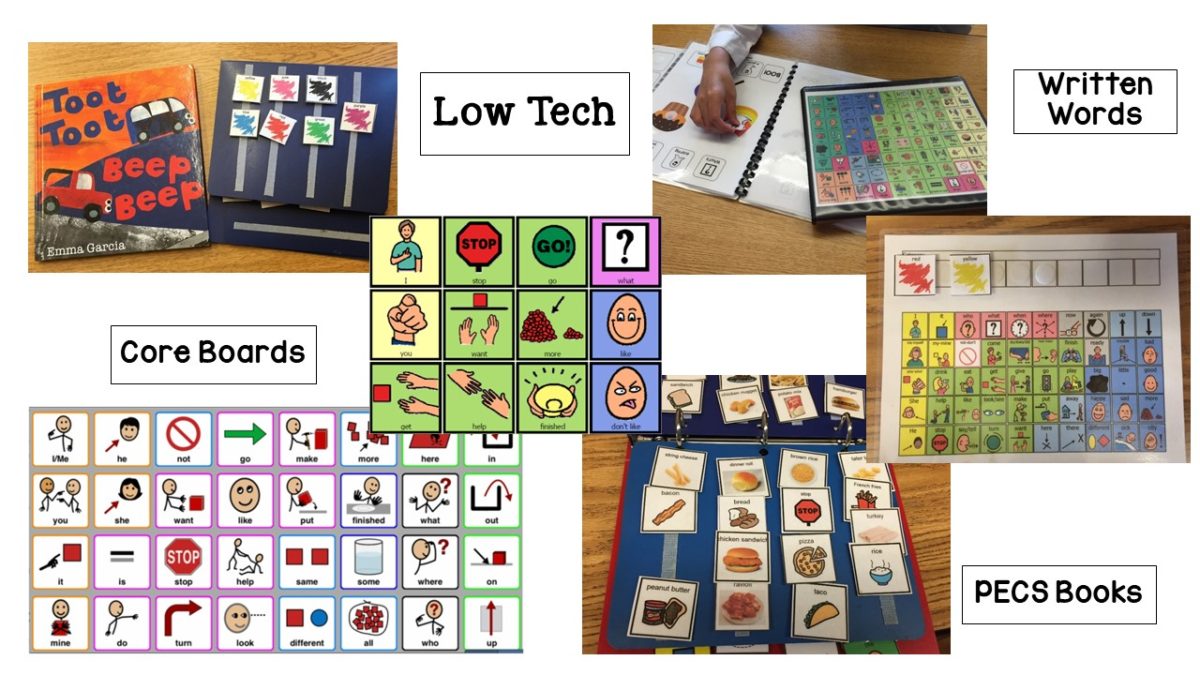
Low Tech – Communication aids that do not need batteries, electricity, or electronic support

  • Picture Communication Exchange System (PECS)
  • Core Boards
  • Pictures
  • Written words
  • Objects

Mid Tech – Static displays and need to be recorded

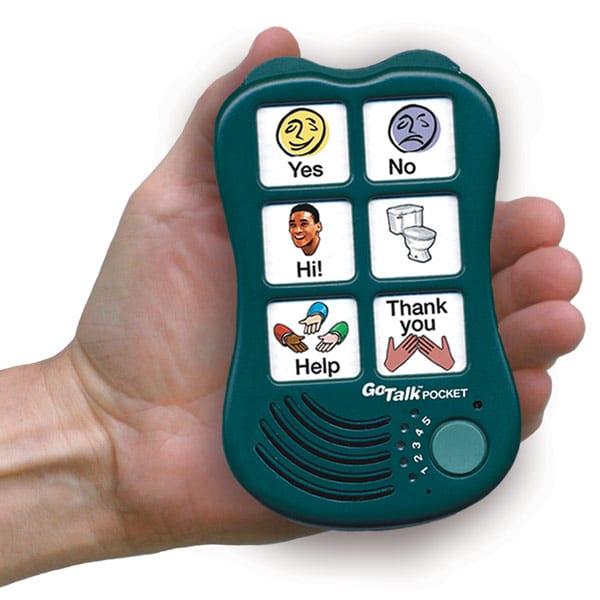
  • Go Talk
  • Tech Talk
  • Tech Speech
  • Step-by-Step
  • Big Mac

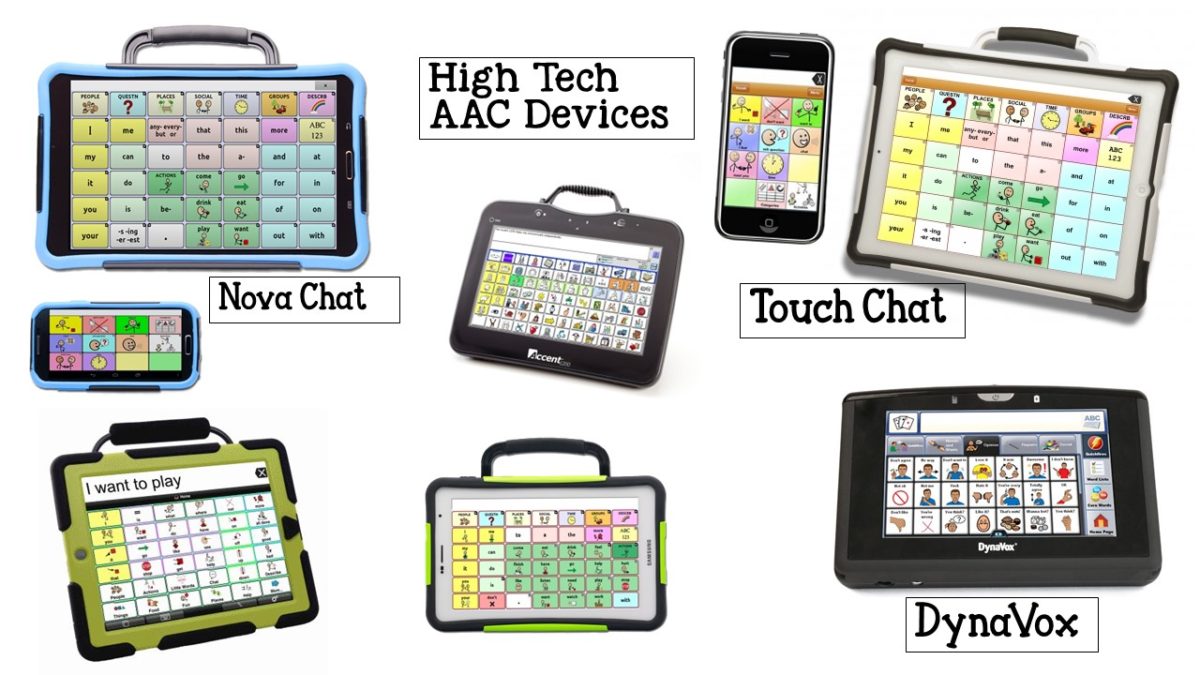
High Tech – Refers to technologically advanced communication tools and systems

  • Nova Chat
  • DynaVox
  • iPads with Communication Apps
  • Computers/laptops with different software systems
Before school starts review your students’ IEPs and find out if any of your students are currently using an AAC system to assist with their communication.  If you unfamiliar with the device assigned to your student hopefully you can reach out to the speech-language pathologist at the beginning of the school year and they can help you learn how to use that particular communication system.  As a speech therapist, I like to reach out to my teachers who have students assigned to AAC systems as we start up the school year.  Then the teacher and I can talk about the student’s current communication skills/abilities and his/her use with their AAC device.  I find the new devices today are much easier to use and maintain than when I previously started.  Don’t forget to make sure the devices are accessible within the classroom and have a place to be recharged during the school day if needed.  Maybe a visual of the student’s AAC system where they hung up their jacket or on their desk will help everyone including the student to get out his/her device at the beginning of the school day.

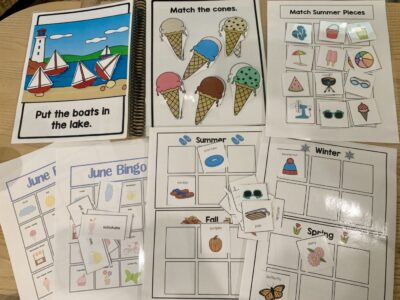
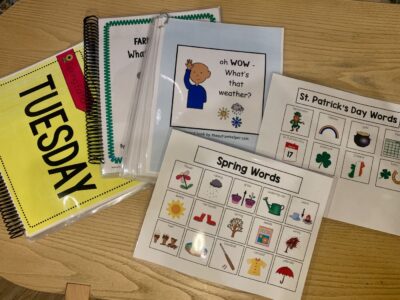
Even if your students are not assigned a dynamic device there are many different low tech options you can have ready in the classroom for your students to help facilitate communication.  Having core boards, choice boards (ie. Yes/No), and other visuals easily accessible can help your students communicate more effectively within the classroom setting.  I often provide different size/level core boards and create some basic communication books for my teachers to have in the classroom for easy access.  Then if you are trying to complete a task which is frustrating for your student due to a lack of communication you can use one of those low tech systems to help your student.  The goal is to make communication happen and decrease frustration due to those limited communication skills.

One Response

  1. Needing help with my son who has autism and can say words but just repeats the same thing over and over

Leave a Reply

Your email address will not be published. Required fields are marked *

Live & On-Demand Training

Picture of Sarah Allen, MA CCC-SLP

Sarah Allen, MA CCC-SLP

Related posts

Sweet Summertime Activities

I cannot believe it’s time to be writing a summertime post!  How is it already June (or maybe you’re thinking…finally)?…
Learn More

Spring Weather & Surprise Eggs

After so much (welcomed) snow this year, I was equally as excited to break out weather and spring activities! This…
Learn More

Supporting Students in Specials

Teachers often ask how they can best support students in specials classes (art, PE, music, technology, etc.). Below, I have…
Learn More

FAQ

Do you accept School Pos?

Yes! We are happy to work with school districts to complete orders from our store for individual or groups of teachers. We accept purchase orders, can provide formal estimates, or complete any vendor paperwork you may need to support your district’s purchasing process. Submit a PO to [email protected] or request our W9 to get started!

The Membership gives you continuous access to a growing library of professional development, monthly trainings, resources, and practical tools you can use right away. It’s designed for educators, clinicians, and teams who want consistent support, fresh ideas, and ready-to-use materials all year long.

Courses are focused, start-to-finish learning experiences. Each course dives deep into one specific topic with structured modules, step-by-step instruction, and a clear learning path. You move through the content intentionally to build mastery in that area.

Curriculum Access is a complete, standards-aligned curriculum platform with lessons, materials, data tracking, and implementation tools built for special education classrooms. It helps you actually teach the skills, not just learn about how to teach them.

The resources you purchase are delivered electronically. We will not be shipping any finished products to you – they are all electronically downloadable.

We offer a lot of free information on everything from behavior supports to academic instruction to communication skill building. Start off at our blog, check out our YouTube videos, listen to our weekly podcast, and go in-depth with our free webinars.

Contact us