
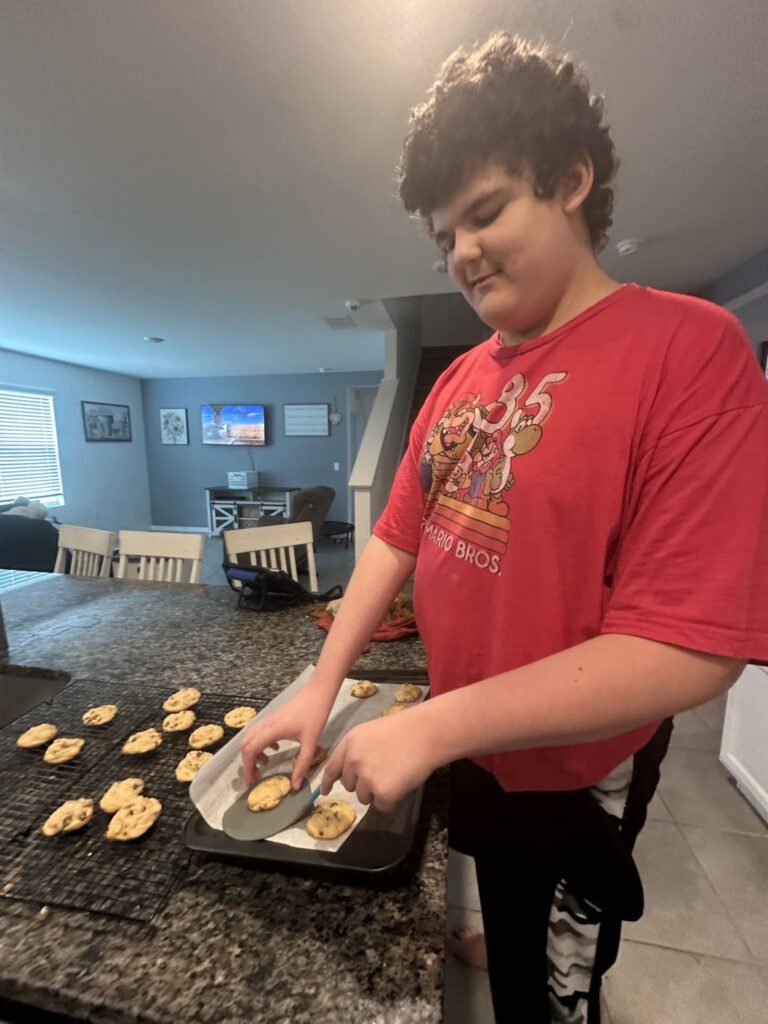
Here are some tips for getting an understanding of what your child knows, what they’re still practicing, and how you can set them up for success this year.
Take Stock of Skills
If you took a break this summer, start by looking at where your child left off in their Autism Helper Curriculum last year. Try a few of the unit assessments from that level to see how much they remember. This will help you decide whether to revisit that level for extra practice or move on to the next one. Either way, it’s completely okay; a review can be just as valuable as learning something new.
If you’re a new homeschool parent, The Autism Helper has a Skills Matrix that can help you decide where your child should begin. It’s a great way to start the year with confidence. When you click on any of The Autism Helper’s curricula, it will give you a list of the skills that each level includes. For example, if you click on Language Arts Level 1.5, as you scroll, you will learn that this level focuses on: comprehension of who, what, where, and when questions; functional sight words for the following topics: food, animals, clothing, sports, household, community, school supply, and transportation; identify details/attributes (how things look, feel, sound, behave like, and tastes like); labeling yes/no; non-examples; same/different; and sequencing with first, next, last.

Choose Goals for The Year
Once you have a sense of your child’s current skills, think about what you’d like them to work toward this year. Goals can be academic, like mastering the next set of sight words, or functional, like packing their own snack.
If you’re using The Autism Helper’s Leveled Daily Curriculum, you can use the built-in pre-tests or rubrics to connect where your child is now to the lessons you’ll focus on next.

Look at Communication
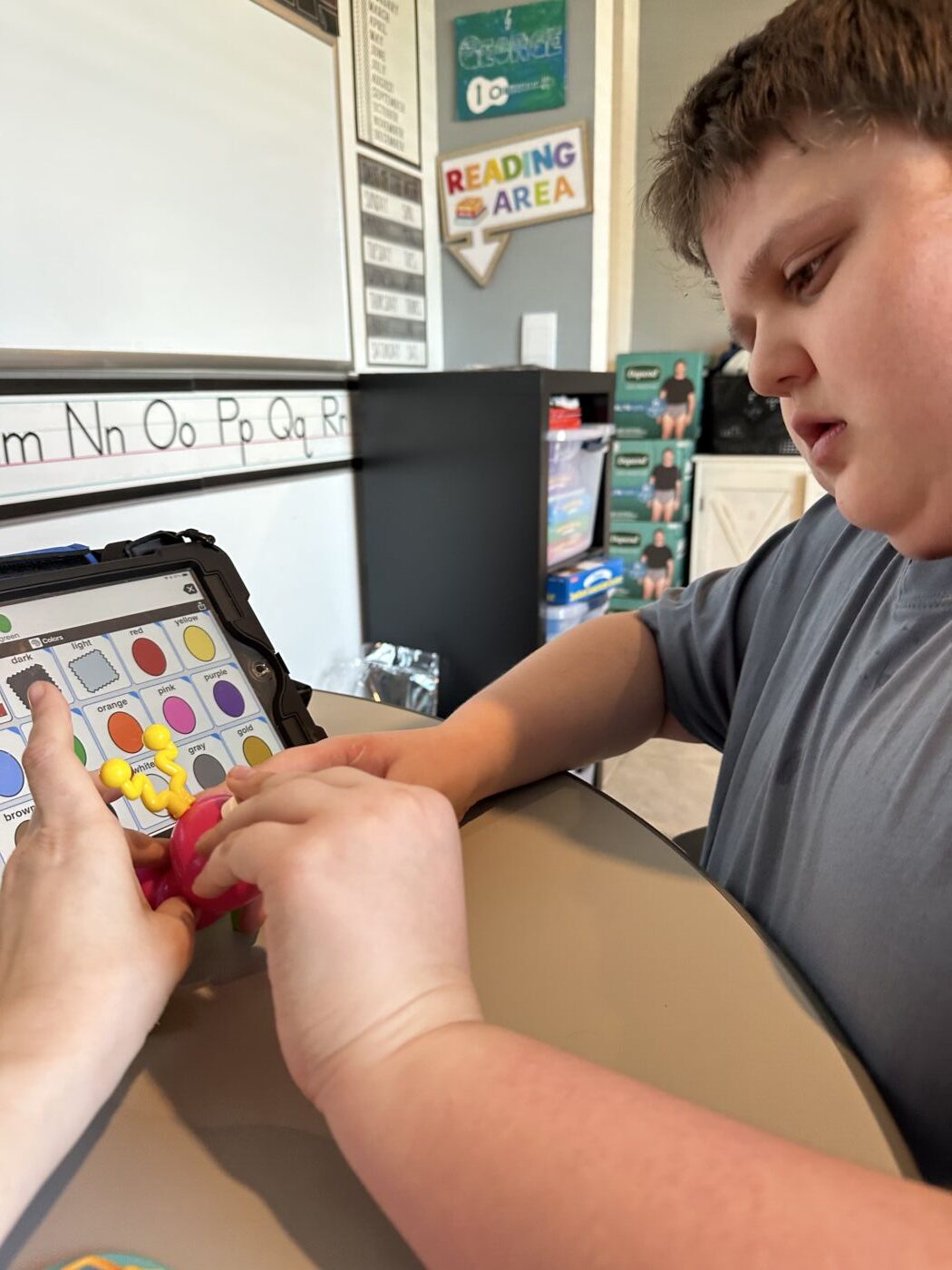
Communication is the foundation for so many skills. Take note of how your child shares needs, understands instructions, and interacts with others. If your child uses AAC, make sure the device is updated with any school-year vocabulary they’ll need.
Consider adding in social stories or role-play activities to help practice conversation skills in a safe, predictable way.
Review Functional Life Skills
Homeschooling makes it easy to blend life skills into the day. Think about routines like brushing teeth, making a snack, or crossing the street safely. Choose one or two to focus on and work them into your daily rhythm. Take a look at The Autism Helper’s Life Skills Curriculum to help with these skills.
Using visuals or step-by-step guides can make these routines easier for your child to follow independently.

Consider Independent Work Habits
Independent work helps your child build focus, stamina, and self-management. Notice how long they can stay engaged, whether they follow a visual schedule, and how they do with single-step versus multi-step directions.
Short, consistent practice with things like work bins, simple task cards, or hands-on activities can help extend attention over time.
We love The Autism Helper’s Matching Workbooks and Leveled Daily Independent Work.

Keep Track of Growth
Once you’ve set your goals, find a simple way to track progress. Some families use formal data sheets, while others jot quick notes in a planner or take short video clips as a record. The key is to check in regularly so you can adjust as needed, and so you can celebrate every step forward. Each of the Autism Helper’s curricula has data embedded in each unit.
The Autism Helper also has a ton of data sheets available!
Final Thoughts
Starting the homeschool year with a skills check isn’t about finding gaps; it’s about seeing the whole picture. Whether your child is ready for new challenges or needs some time to review, both paths are equally valid.
When you know where they’re starting, you can create a plan that builds on their strengths, supports their needs, and makes learning meaningful for your family.

- AAC Awareness Month: Building Language Every Day in Your Homeschool - October 22, 2025
- Using AAC to Support Your Homeschool Curriculum - September 29, 2025
- Back to Homeschool: How to Assess Where Your Child Is Starting This Year - August 25, 2025


