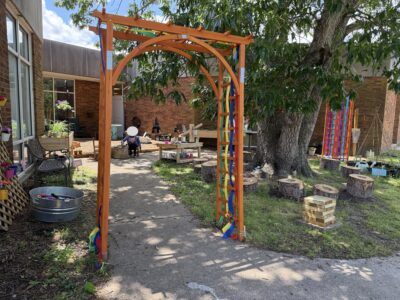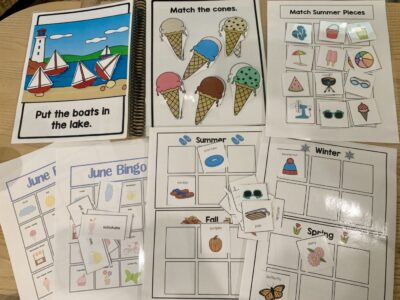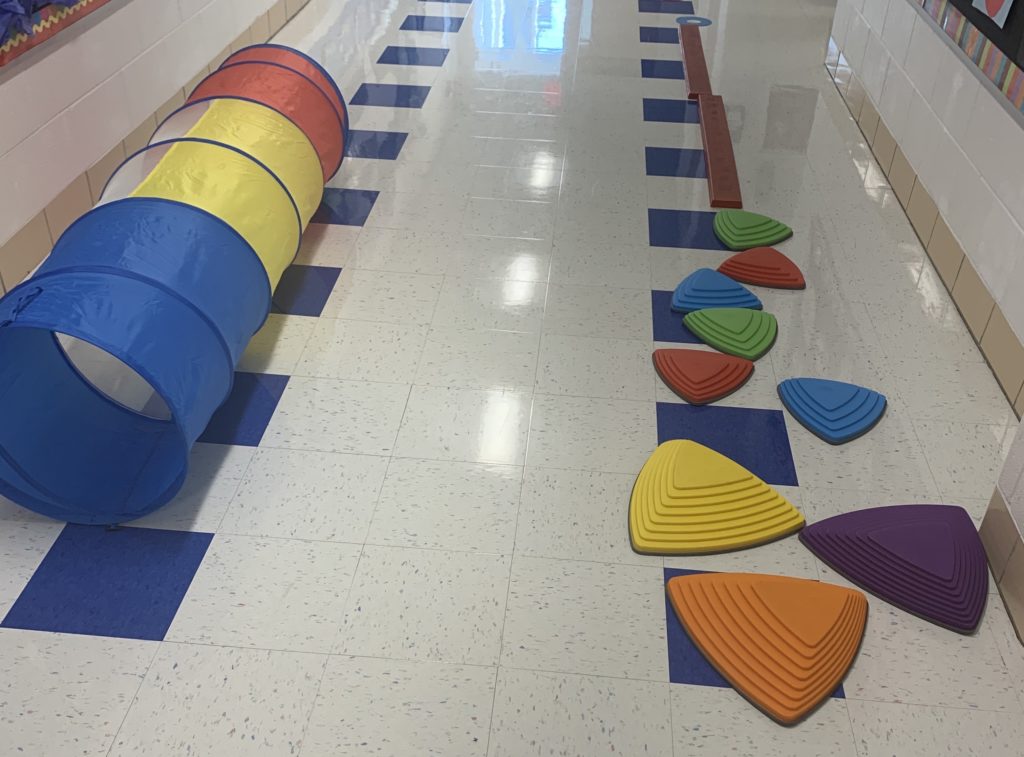
Have you ever wondered how babies learn to reach for a preferred toy? Or how young kids learn to get dressed? What about teenagers learning new Tik Tok dances? Or how adults figure out a way to carry all the groceries inside in one trip? The answer- motor planning! The ability to effectively motor plan is essential for learning new skills and participating in important daily occupations. Our kids will face many new experiences as they grow and develop. If they have difficulty motor planning, it will be really hard for them to approach those new experiences and learn new skills. Let’s dive a little deeper into the topic of motor planning today – what it is, what it looks like when a child has difficulty with it and ways to help.
What is Motor Planning?
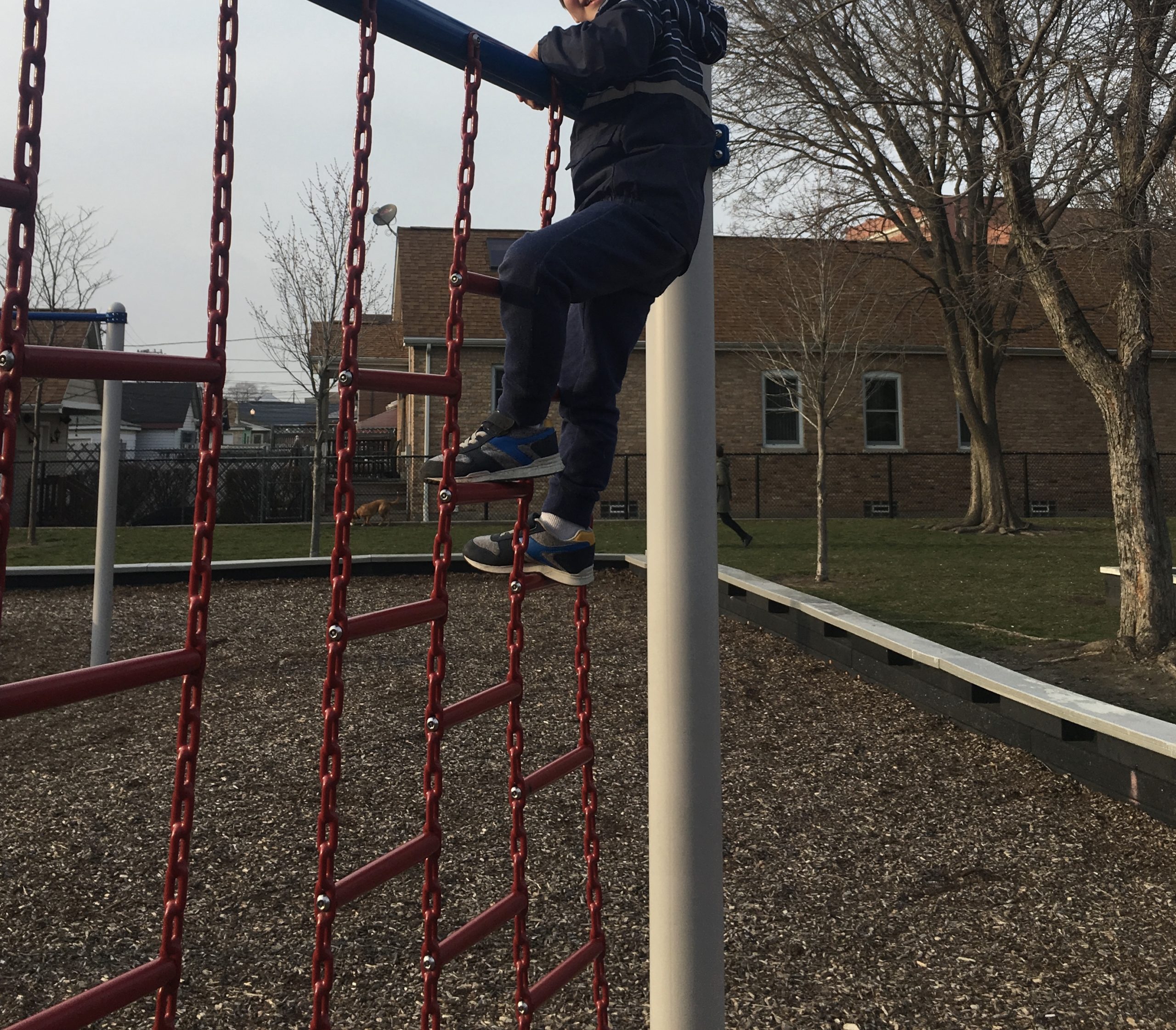
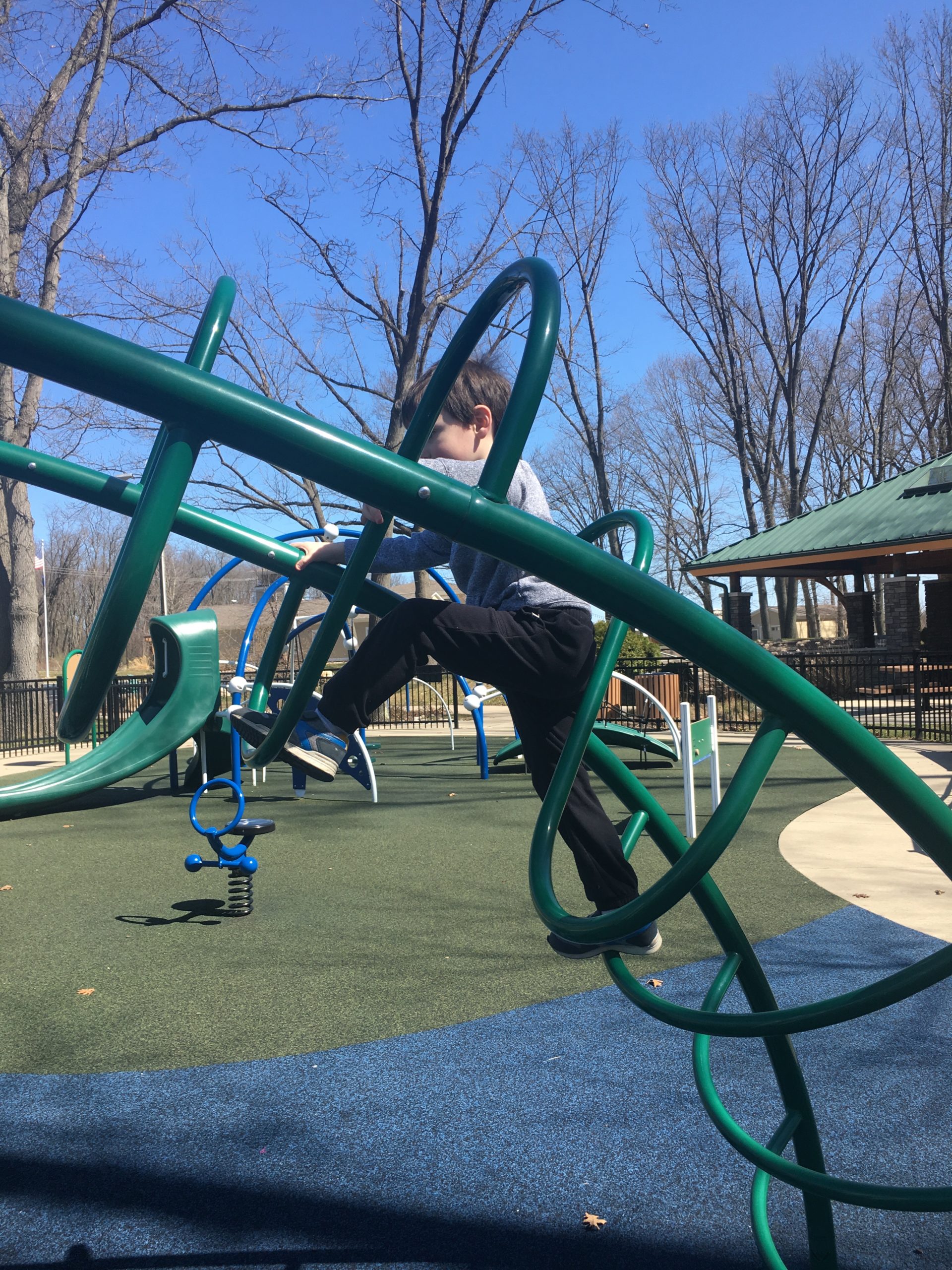
You may also hear motor planning referred to as praxis. Simply put, motor planning is the ability to plan and carry out an unfamiliar action (Ayres, 2005). Contrary to what you might think, motor planning is not just about motor skills. It is a higher level skill that requires your brain to really pay attention to what is happening. There are a lot of steps. Think about a child learning to climb new playground equipment or learning to ride a bike. First, the child has to come up with the idea of what to do. Then, the child has to organize and execute the plan to meet their goal. At any point, if the child loses focus on the task, they may have to stop – the brain can’t do two things at once when a skill is so new. Now, it isn’t like this forever. Typically, after a few times, a child will be able to more automatically do the skill without all the planning and attention.

The Impact of Sensory Integration on Motor Planning
As I mentioned before, motor planning is not just about motor skills. It requires higher level cognitive skills such as attention to task. Additionally, the sensory systems play a huge role. The ability to effectively motor plan relies on an organized and integrated sensory system. It is essential that the sensory information from the body that is sent to the brain is clear. If your brain doesn’t get clear information from muscles and joints regarding where exactly your body is in space (proprioception), or how your body moves through space (vestibular), it would be difficult to motor plan effectively. The ability to discriminate tactile (touch) information is also an important component of effective motor planning. If kids have difficulty processing sensory information, especially proprioceptive, vestibular and tactile input, they may have difficulty motor planning. For more detailed information on those and other sensory systems, check out my sensory series here.
What does it look like when a child has difficulty motor planning?
Now, think back to some of the examples I gave earlier – the child learning to climb playground equipment, learning to get dressed or learning to ride a bike. Typically, those skills become easier with practice. But, this isn’t always the case. When kids have difficulty motor planning, you may hear it referred to as dyspraxia. Here are just a few things you may notice especially when a child is attempting to do a new task:
- child appears clumsy
- difficulty coming up with new ideas during play
- takes longer than other children to learn new skills
- difficulty with fine motor skills like writing
- inconsistent performance in daily tasks
- difficulty imitating actions
- avoids climbing on playground equipment or other physical activities
Jean Ayres refers to motor planning as the ‘bridge’ between the motor and intellectual aspects of the brain. The difficulty you may see a child having doesn’t necessarily lie in the muscles themselves, but rather the connection between the muscles and the brain. A child who has difficulty motor planning may try really hard, but still has difficulty completing the task at hand. Additionally, the child may have to really think through every novel activity. They can’t simply ‘do’. It can take a lot of energy and effort for them to participate in activities that may come much more naturally to other children.
Tips and Next Steps
If you notice some of the red flags listed above, and you feel like they are impacting the child’s ability to participate in school and home activities, the best thing to do is refer to your occupational therapist. The OT can assess and determine an appropriate treatment plan for the child.
Here are some general tips/activities that may be good to incorporate in your classroom or at home with proper supervision in place to work on motor planning and support students:
- Any activities that incorporate proprioceptive, vestibular and tactile sensory input.
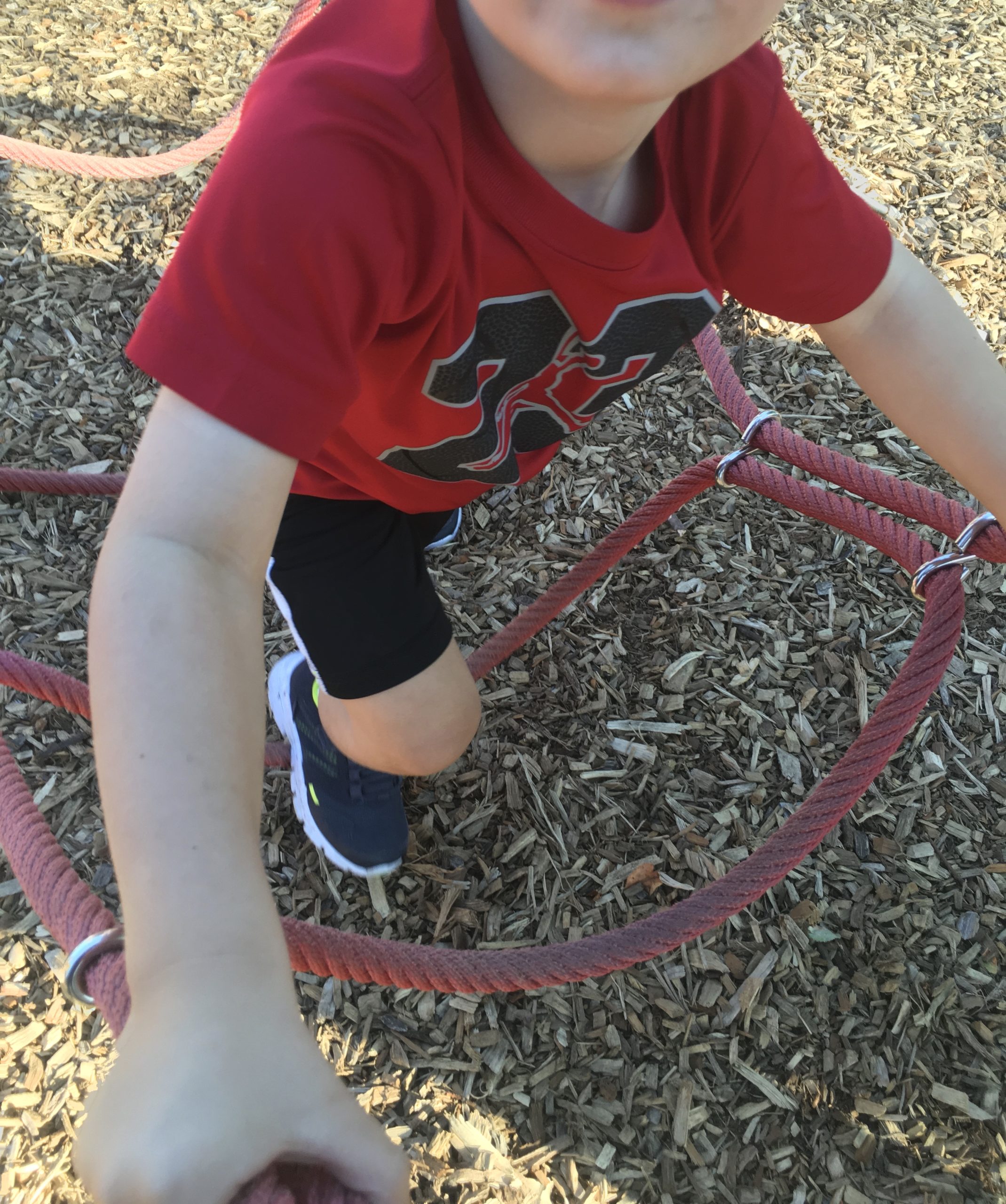
- Obstacle courses. OTs LOVE obstacle courses! Bonus: have the child work on coming up with the idea for the obstacle course.
- Yoga poses. Another easy and fun way to incorporate motor planning practice into the classroom. Check out my post about yoga here!
- Play on the playground!
- Incorporate songs that have movements children can imitate.
- Have the child come up with the steps for activities like crafts or making a snack.
- Play Simon Says.
- Break down tasks into smaller parts. Use visuals.
- Video modeling.
- Ayres notes that self directed practice is important for kids. This provides more feedback to the child than if we passively moved them through an activity. If a child is having difficulty, try providing tactile cues as opposed to full physical assistance.
- Encourage and support. Kids who have difficulty motor planning may get frustrated easily, and it is important to provide reassurance and support especially when a child is just starting to learn a new skill.


If you are intrigued by some of the concepts in this article, I highly recommend checking out Jean Ayres’ book (listed below). I used her book as the main resource for this post. There is a ton of really interesting and helpful information in it. Happy motor planning!
References:
- Ayres, Jean. Sensory Integration and the Child. (2005).
- Sensory Processing Measure (2007).
This blog is for informational purposes only. The information is general in nature. For more specific recommendations, contact your OT.

- 5 Items I’m Adding to my OT Toolkit This School Year - September 10, 2025
- 5 OT Tips for Creating a Regulating Morning Routine - August 13, 2025
- Thinking Ahead: Preparing for Life after Graduation - January 15, 2025