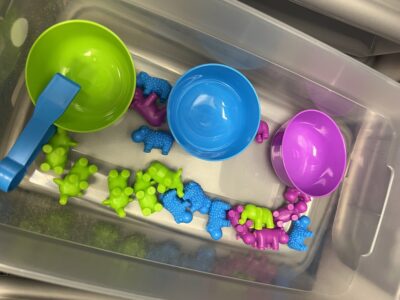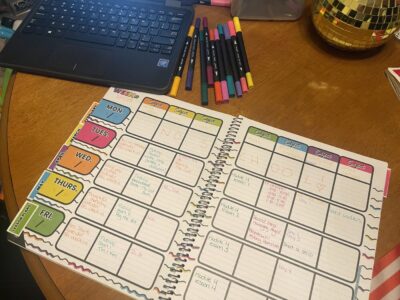
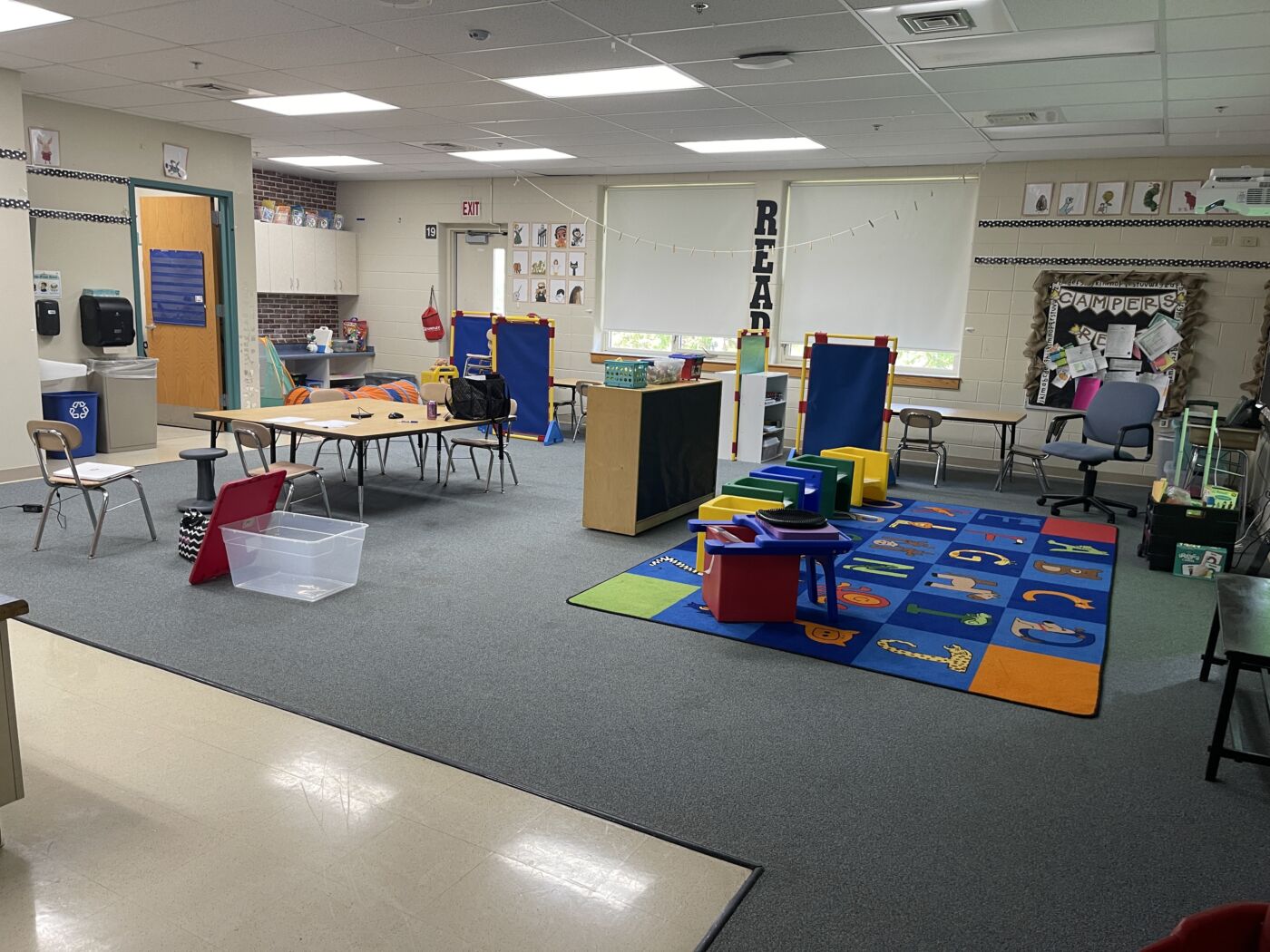
Classroom setup at the beginning of the school year can be stressful! The way that my team and I arrange the classroom is different each year. We review the class lists, create a plan on what centers and areas that we will need, and then we go from there! My team and I are mindful to where we place the furniture and how we create the environment to promote regulation, independence, and engagement. A well thought out plan and setup helps implement our schedule and routines on the first day of school!


Clear out the room
The best way that I can get my mind ready to visualize what I want our classroom to look like, I clear everything into the hallway. Once everything is removed, my team and I review the outline that we had previously created as well as the class list. After everything is out, putting furniture where we have outlined goes smoother. We are also able to get rid of furniture that we may not need or may not be functional for the upcoming class.
We always are sure that our classroom environment includes:
Boundaries
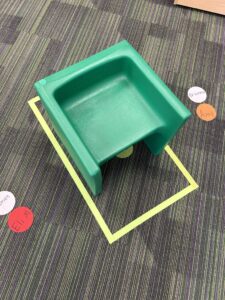
- Tape on the floor: Reduce distractions, help students understand expectations, support smooth transitions
- Use shelves, rugs, furniture, for visual markers
- Avoid visual clutter: I am sure to look around the room and make sure that everything on the walls, bulletin boards, whiteboards, counters, and shelves all serve a purpose and are being used. Everything else needs a home in storage.


Visual Supports
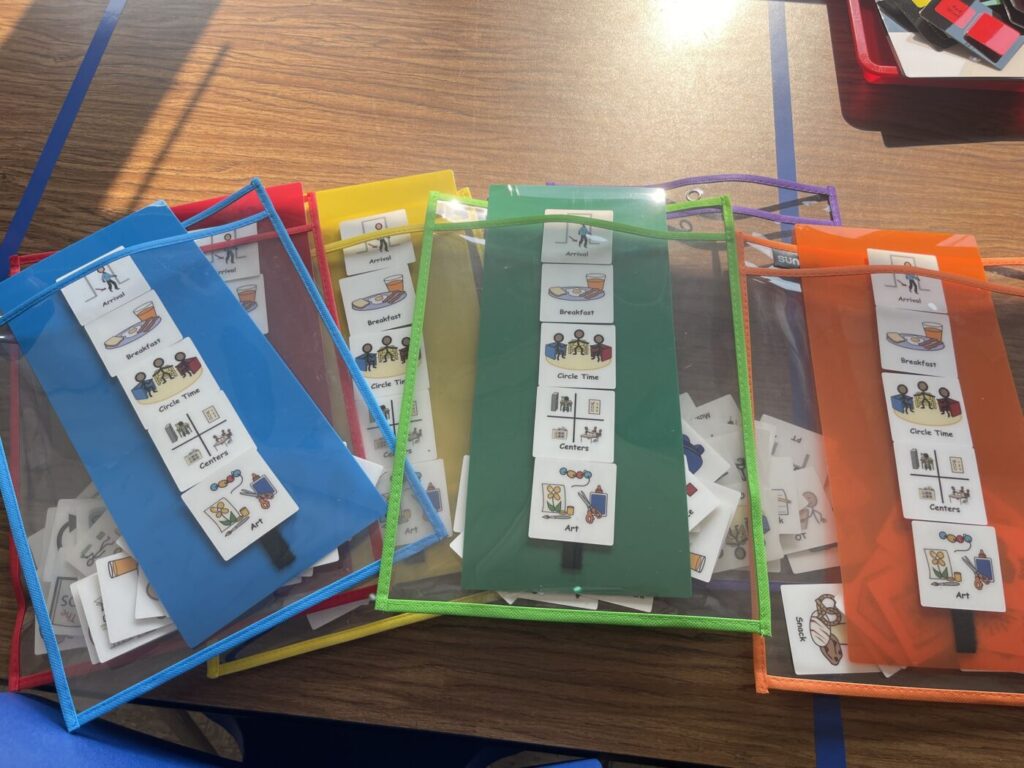
- Visual schedules: Post a clear classroom large schedule as well as individual visual schedules at student eye level; use pictures, symbols, or real photos.
- Mini schedules: Using a min schedule within activities such as large group, 1:1, small group, and independent work help break down multi-step activities.
- Labels: Using picture labels on bins and shelves encourages independence in clean up and transitions.
Sensory
I am lucky enough this year to have a sensory area in 1/3 of my classroom. My team and I decided to make half of it a calm down corner and have of it a sensory area. This way, we can teach our learners the difference between needing each area and what the expectations are within each spot. More to come on how this runs this school year!
- Lighting: I love using magnetic light covers on every other light. This gives a duller light without losing total brightness. When they are allowed, I also enjoy a floor lamp or desk lamp instead of the fluorescent lights.


The classroom as a whole is a teaching tool where our students feel safe and independent. My team and I observe the flow of the classroom with the schedules and we change if we need to. We always remember that nothing is set in stone, and that the classroom should be a functional teaching tool!

- Embedding Social Skills Into Every Lesson - November 24, 2025
- Top 10 Must-Do Tasks from a Self-Contained Elementary Teacher - September 22, 2025
- Setting Up the Classroom Environment for Independent Learners - August 20, 2025