As the beginning of the school year is weeks or even days away, let’s jump into the final two parts of this series with visually structured tasks and creating routines to start the year successfully.
VISUAL STRUCTURE
Visually structuring tasks includes incorporating visual cues within a work task or activity. The following components visually structure tasks and activities:

-
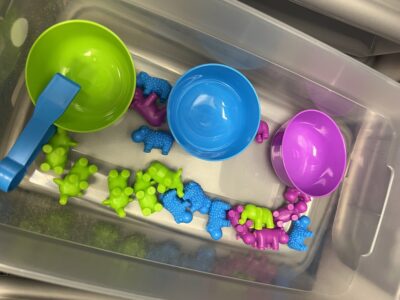
Instructions: Structuring the task or activity by using cut-out jigs, picture jigs, picture lists, written instructions/lists, or product samples to be able to tell the student what it is that they are to do and in what order.

- Organization: Having the task ready ahead of time and containing task materials, limiting the number of pieces, or stabilizing the materials will help in keeping the task organized.

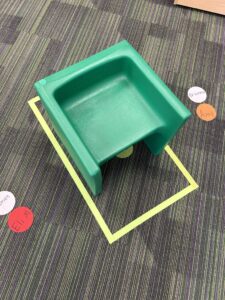
- Clarity: By using color coding or labeling, a task or activity can highlight the essential details/information.


THE WHY BEHIND VISUAL STRUCTURE
By visually structuring tasks or activities, your students could benefit from the following:
- Increased meaning and understanding
- Attention and engagement increased during the task or activity
- Decreases the need to rely on prompts
- Increased independence
ROUTINES
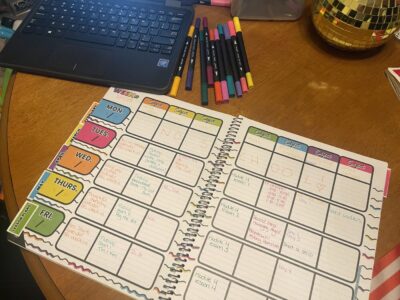
Routines are like a task list; they provide the necessary details to complete an activity.
Staff can promote student independence by including visual supports in routines to help students understand their environment.

THE WHY BEHIND ROUTINES
By creating routines, your students could benefit from the following:
- Decrease organizational difficulty
- Helps with consistency, not just with instruction, but across staff
- Increases independence
Now that you have the last two parts for planning for the fall, you and your students will be ready to start the year off with success.