While I have been teaching for many years, recently have reevaluated how I am grading my students. We just had parent teacher conferences at my school for the first quarter and I always like to use this time of the year to reflect on how the procedures and practices that are currently in place in my classroom. It is important to consider grading practices to ensure they are benefiting students and helping to communicate to parents about their child’s progress. Here are five things to consider when reflecting on grading practices in a low-incidence program…
1. Grades are Communication
I’ve been teaching for a long time and if I had a dollar for every time a parent asked me how they can help their child get all As, I could retire. I know this comes from a place of caring and parents just want their child to succeed. It is important to let parents know that grades are just a way to communicate with each other and develop a partnership. The goal is to have the students learn and master skills that are going to help them succeed in academic and functional skills. While students with disabilities receiving letter grades is important for equity, remind parents to look at the IEP Report Card comments and include comments that what students can practice in order to help them reach their goals.

2. Look at the IEP
Obviously, this is where you would see how you would grade the student, but since you are on the team that writes the IEP, this is something that can be adjusted as you get to know the student or just learn more about grading practices. As IEP meetings come up throughout the year, think about if the current grading procedures on the IEP are benefiting the student.
3. Think About Equitable Grading
This is a big push at our school this year for equitable grading. In the past, our school has graded students on participation and homework. It has been observed that this does not always produce the most accurate grades, as they were sometimes inflated by homework or participation. When a grade is inflated with these categories, it doesn’t give an accurate picture of what skills the student has or needs. While participation and homework are important and can ultimately help a student to show mastery over a skill, we know as special educators that students may participate in a variety of non-traditional ways. Also, students may not be able to complete homework at home, due to certain circumstances, therefore, while it may be still assigned and encouraged, it is not necessarily part of the student’s overall grade.

4. Determine Categories & Weights
Since students in the low-incidence program have a significantly modified curriculum, they actually follow the standard grading categories and weights that the general education students use. The intermediate grade band at our school is using three categories: Summative Assessment (40%), Formative Assessment (40%) and Classwork (20%). If your school or district has more flexibility in determining grading categories and weights, think about what assignments, activities and assessments are going to demonstrate student mastery towards their IEP goals and significantly modified curriculum. You might notice in the picture below that it looks like there are four categories in my grade book, but actually I have a set of students who had IEPs coming into my class with a different grading scale. It is also essential to determine a grading scale for inclusion during specialty classes. Since students are not receiving significantly modified curriculum during those classes, their grading scale is modified. See the picture below for the modified grading scale that I use for my students.


5. Determine Weekly Assignments, Assessments & Activities
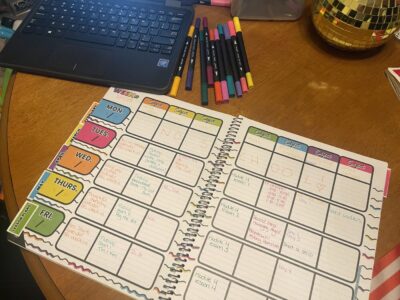
I took what is already outlined in the IEP and create the assignments, assessments or activities that I was going to enter in the gradebook each week. Make sure to check you school or districts requirements for weekly grade entry. At our school, we have to enter one grade per subject weekly. Based on the IEP data collection schedule or subject, I will usually enter one grade for each student’s IEP goal in a given subject area under “Formative Assessment”. Some weeks, if we finish a unit or complete a writing project, I will enter that grade under “Summative Assessment”. For subjects like health, in which students do not have an IEP goal, I will put one grade under “Classwork” or “Summative Assessment”, depending it it is an assignment or a project or assessment.


I hope this post helped you to reflect on how grading practices can be most beneficial for your students and families. For more resources and ideas for grading in special education, check out Visual Rubrics for Special Education and Let’s Keep Score! Holding Students Accountable for Their Grades. Stay healthy and safe!

- Focus on Five: Sub Plans - January 10, 2023
- Focus on Five: Setting Up Daily Leveled Curriculum - November 22, 2022
- Focus on Five: Classroom Tour - November 8, 2022