
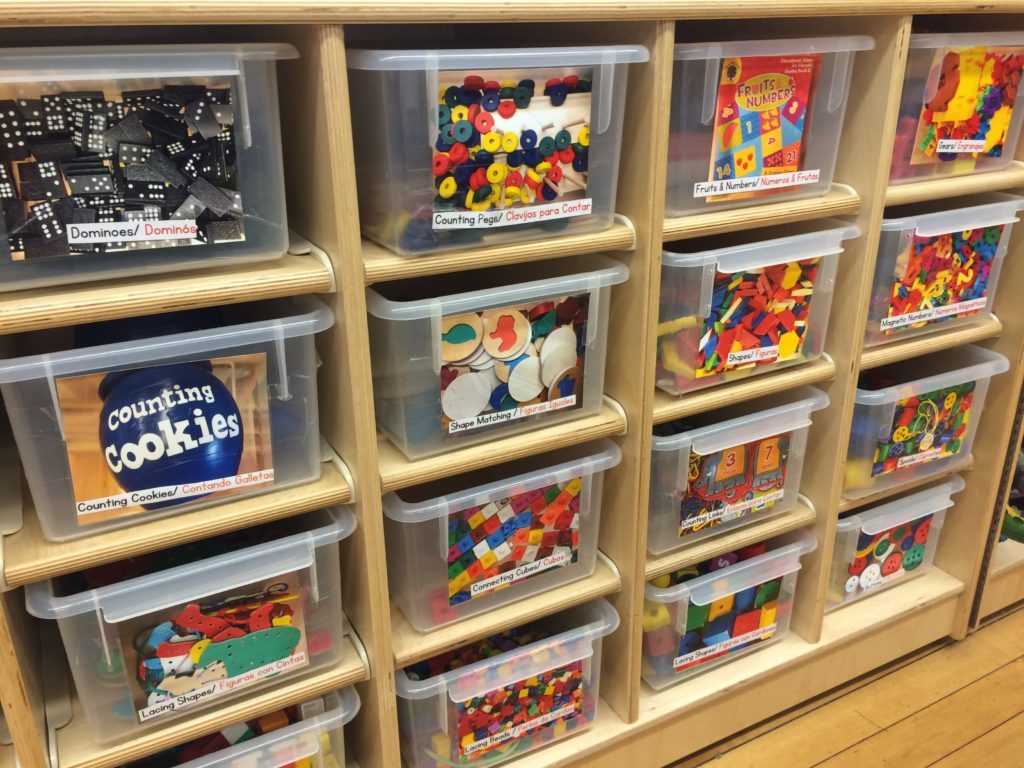
Visuals are another important component to have and use in your classroom. Why are visuals so important? Imagine you were dropped off in a foreign country and didn’t speak that language. You can hear people talking to you but you have no ideas what the person is saying and what they expect you to do. How do you feel???? Frustrated, confused, and maybe even angry. That’s how many of our students feel on daily basis when others are trying to communicate with them. I often get frustrated when other people think if they speak louder my students will understand them. It’s not that my students cannot hear the message but they struggle to process and understand language in the same way as we do. The students may not understand verbal classroom directions or questions but using visuals can help them understand and process the message.

Using visual supports helps assist the students in understanding the message being conveyed to them. For our students struggling with receptive language and processing of language the use of visuals helps assist with comprehension and understanding of the verbal message. Having visuals readily available and using them effectively in the classroom will reduce negative behaviors and promote those expected behaviors. We also rely on visuals all the time in our daily life. Think about your classroom as that foreign country and your students don’t speak the language. Set up visuals so your students can understand and navigate the environment.

How to use visuals effectively and purposely in your classroom:
- Put Visuals Where You Need Them – Make sure they are Functional! You need to put visuals where they are easily accessible and ready to use. It doesn’t help to put them in a drawer or hang them where a student cannot see them.


- Use Visuals to Label – Labeling different areas of the classroom and materials will help the students understand what goes where.


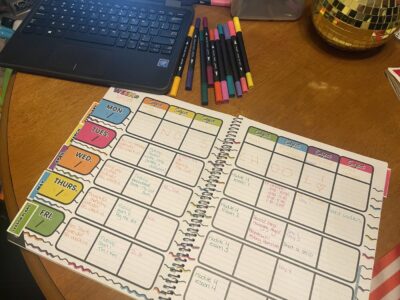
- Use Visuals to Show Schedules and Order of Events – Visuals help our students understand and prepare for what activities they have next. Think how important it is for us to know our schedules and what’s next on the agenda. It may be difficult for our students to process and remember the sequence of daily activities so the use of a visual schedule helps them throughout the day and may reduce stress. You can also use visual schedules within a specific activity or center so the student knows the steps to complete within that specific activity.


- Use Visual for Everyday Routines – Visuals can help illustrate the steps in familiar routines. Activities such as class jobs, art project, or household chores may need the extra help of visuals to show our students exactly what to do. Special activities like field trips and class parties are also a great time to use visuals.


- Use Visuals That Are Age Appropriate – Make sure the visuals are on level with the student’s cognitive abilities and are age appropriate. It might not be appropriate to use cartoon looking pictures for older students. You can also use real photos as visuals.

- Teach the Visuals – You need to teach the students what a visual means. You can’t just hang up a visual or show a student a picture and expect him or her to know what it means. Show the student the visuals as you go through the motions and model what you want the student to do. It takes time and repetition.

Check out the upcoming blogs to see more strategies on how to effectively use different visuals in your classroom.

- Vehicle Themed File Folder Activities - May 18, 2021
- Counting and Sorting Vehicle Fun - May 4, 2021
- What Color is the Vehicle? Adapted Book and Free Vehicle Themed Bingo Games - April 20, 2021
7 Responses
Hello Sarah,
These look great!
Would it be possible to get a copy of your visual schedules?
Thank you
Bryanne
Which visual schedules are you looking for? We have a lot on TpT: https://www.teacherspayteachers.com/Store/The-Autism-Helper/Search:schedules
What are the visuals – the stick figure people and such as shown in your pictures? Where do you find those?
Many of these are Boardmaker and other images my cousin who is a graphic designer has made for me!
I am lookin for a visual that can be put on a lanyards such as bathroom,cookie and things that would help my grandson communicates better
I am lookin for a visual that can be put on peck board lanyards and such
Hi Jean, Here is a set of common visuals that I have that I use on a lanyard: https://www.teacherspayteachers.com/Product/Visual-Necklace-for-Children-with-Autism-291278. Hope this helps!