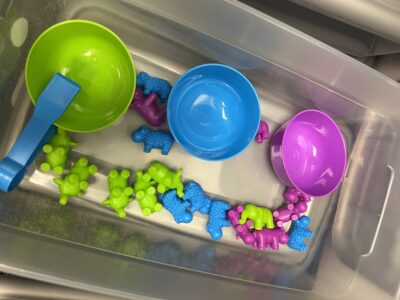
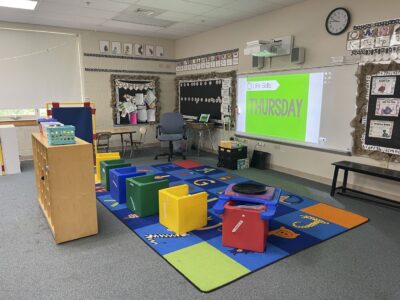
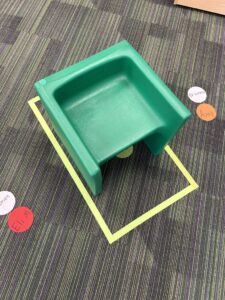
Using language paired with visuals is a key component to our classroom. When working with learners who have difficulty understanding spoken language and/or difficulty in speaking to communicate their wants and needs, research shows a high success rate in using vocal language with visuals. While we want to continue using our words and modeling spoken language, we give or students what they need in order to be independent communicators. Just like all of the other tools we as teachers use, these need to be taught! Whether we are using objects, gestures, PECS, core boards, texting, devices, etc. to communicate, language and literacy is all around the communities that we live in. We have found success in scheduling a core word of the week.
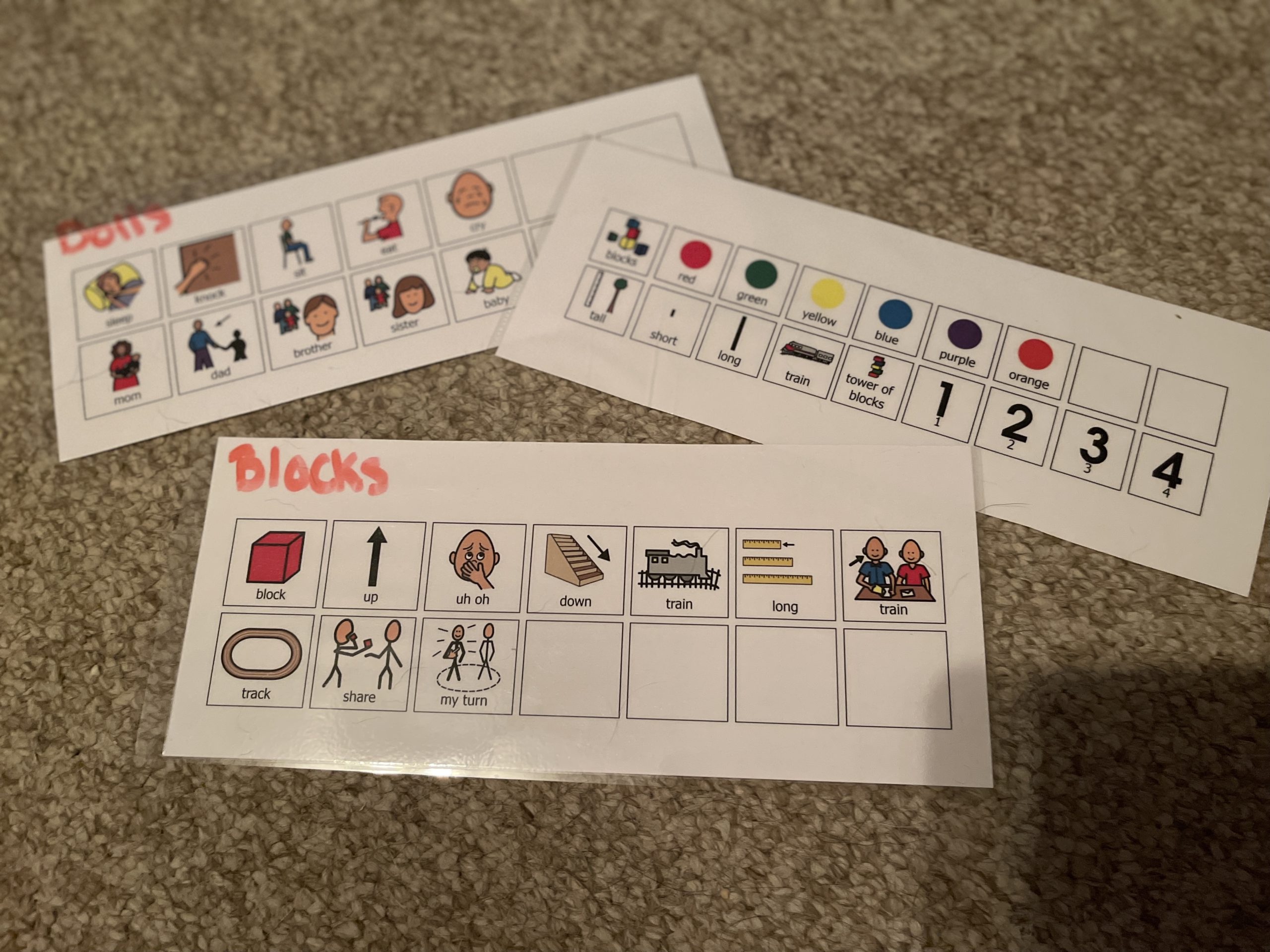
What are Core and Fringe Vocabulary?
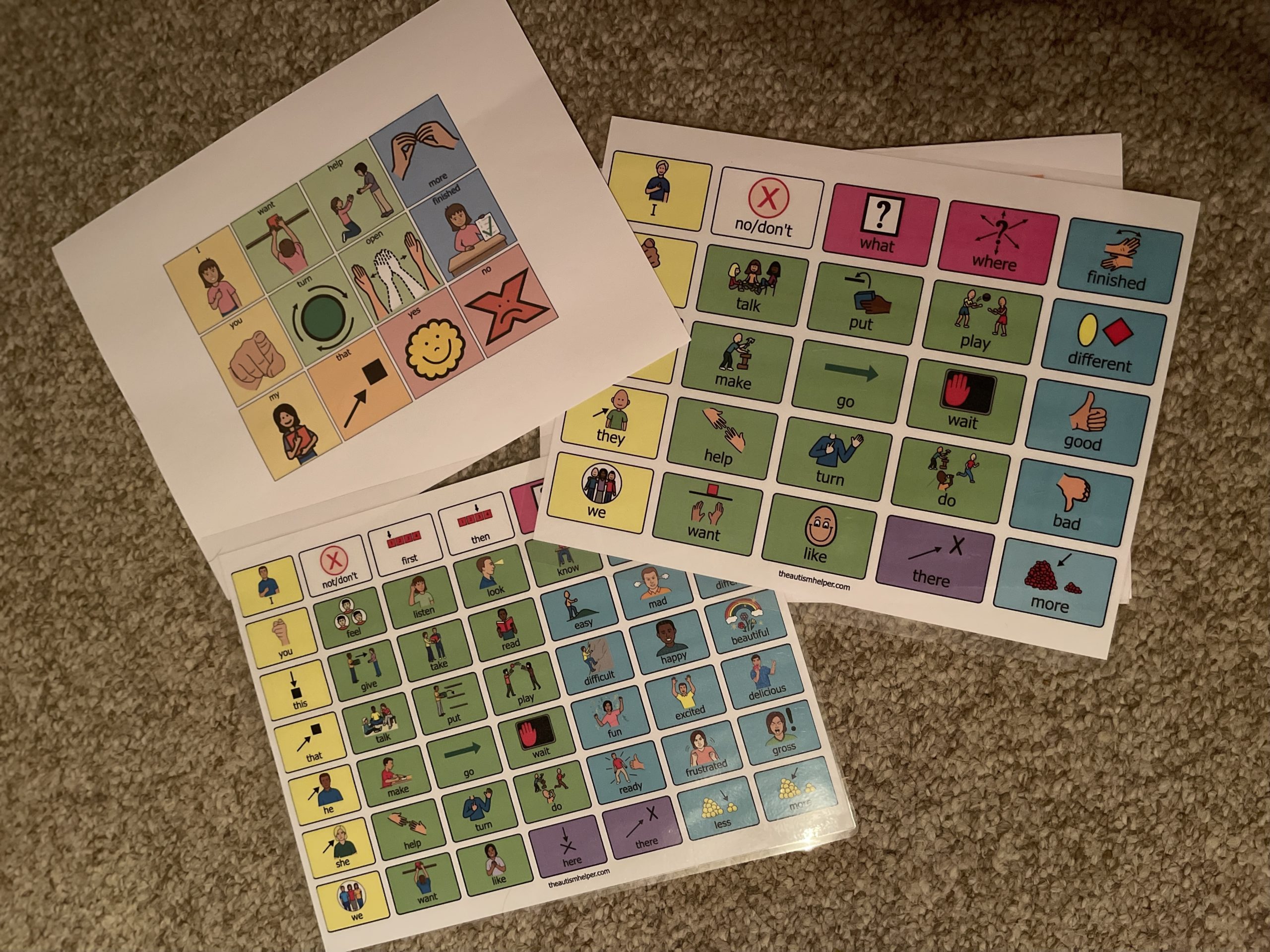
Core vocabulary is so powerful because it gives a way for our learners to communicate with a limited amount of words. I can look at a core board, and think of all of the different things I can talk to a friend about on a lunch date at our local coffee shop, even with the limited amount of words. Try it!
Just as any strategy that is put into place within a classroom, these icons and words have to be taught. Students will not know what to do with a core board, nor will they know what each icon means unless they are taught. Core vocabulary refers to the words that make up 70-90% of what we as humans say on a daily basis. Some examples of core vocabulary are my, your, turn, stop, up, this, again, more, and all done. Augmentative and Alternative Communication (AAC) systems use core words to allow non-speaking people to communicate.
Fringe vocabulary refers to a specific set of vocabulary words that are specific to a particular person or activity and may be used less often. Fringe vocabulary words include bat, horse, water, crackers, mom, Harrison, and blue. These words are words that are used to add onto conversations or communicative exchanges when talking about more specific details.
Why should we practice Core Vocabulary?
Using Core Vocabulary, or a Core Vocabulary Exchange System, is a great way to expand on PECS when a learner is ready. Since PECS has a strict teaching protocol, its teaching methods differ than that of core vocabulary or core board use. The difference we see when using a core board or core exchange type system is that the adults are encouraged to model how to use it rather than being a silent partner. Also, if a learner uses a device to communicate, an aided language simulation is encouraged with the approval of the learner. Pairing written words, pictures/symbols, and spoken language is great exposure for all learners to practice receptive and expressive language skills.
Modeling the use of the core board along with the individual icons is how many of our students learn. When using core vocabulary methods throughout each activity in each day, it is recommended that the adults in the classroom model one step above the learner’s skill level. If a learner is working on using single words on a core board, the adult should model two words. An example of this would be targeting communication during block play and a learner will be working on requesting “more” or “turn”. I will model “want more”, “my turn”, and “go on”.
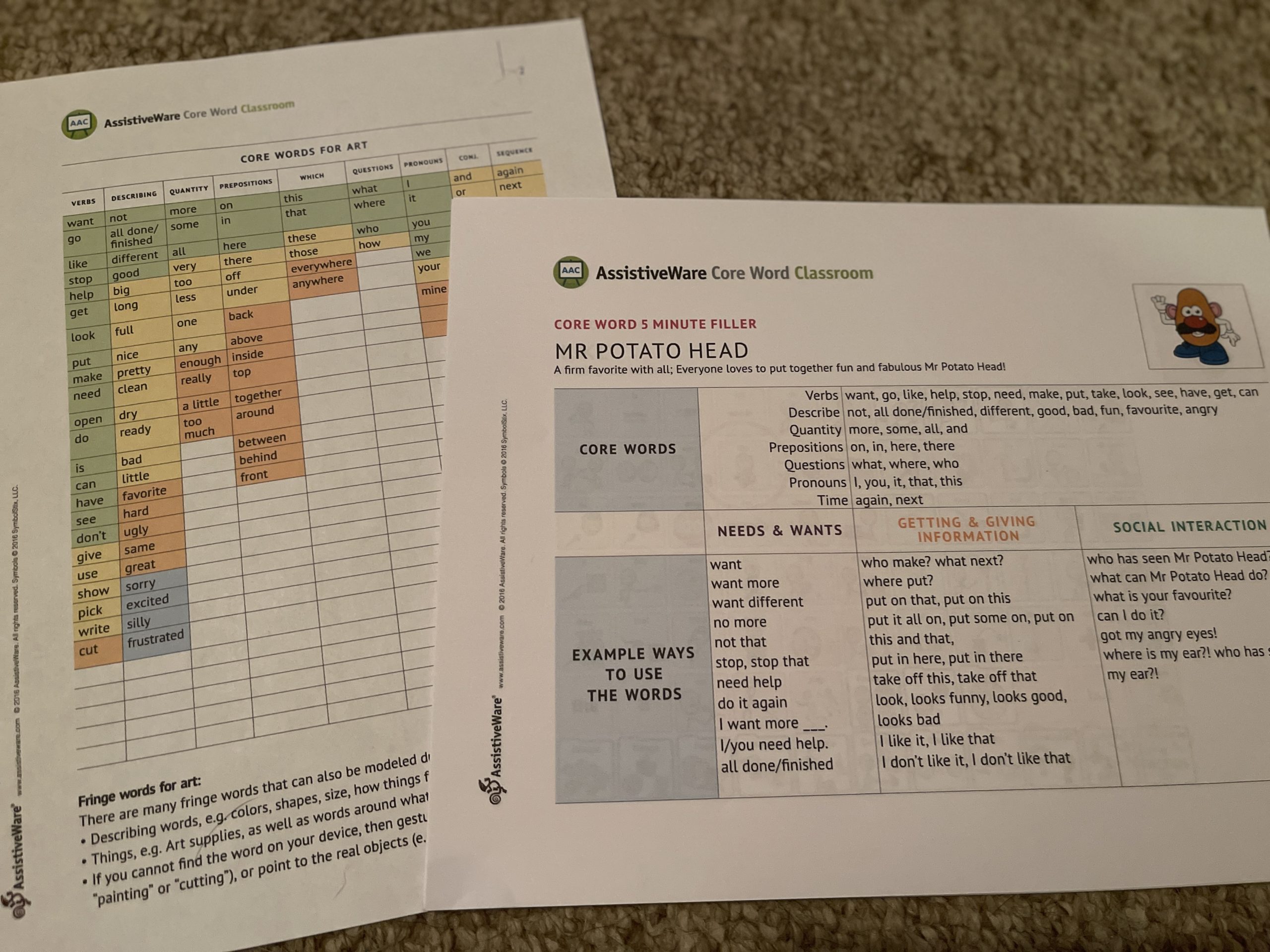
How to implement Core Vocabulary each week
Having a plan for a core word of the week helps zoom in and focus on a specific word across all areas of the classroom throughout the entire day. There are many lesson and activity examples from Speech Room News as well as AssistiveWare. Pairing these hands on materials are helpful and engaging. I also like to include videos from Speech and Language Songs during large group times. When starting to implement a core word of the week, follow these few easy steps:
- Work with your SLP and classroom team to create an outline of the core words. I organize these core words into my yearly planning guide.
- Prep! Prep the materials you will need the week before so you have all of the materials ready to go.
- Be consistent. Although we are changing the word in focus each week, we are consistent with the visuals around the room, the location of our core boards, the location of our review sheet, and the activities during large groups. We also use the same icon for all learners.
- Don’t forget the other words! We still use and model language using our learner’s mode of communication. If our learner’s use PECS, CVES, Core Vocabulary, or a device, those don’t go away.
- We don’t expect imitation. Our learners are not expected to imitate what we model. We are exposing them to so much language that we want to keep it at an appropriate amount and model what good communication looks like.
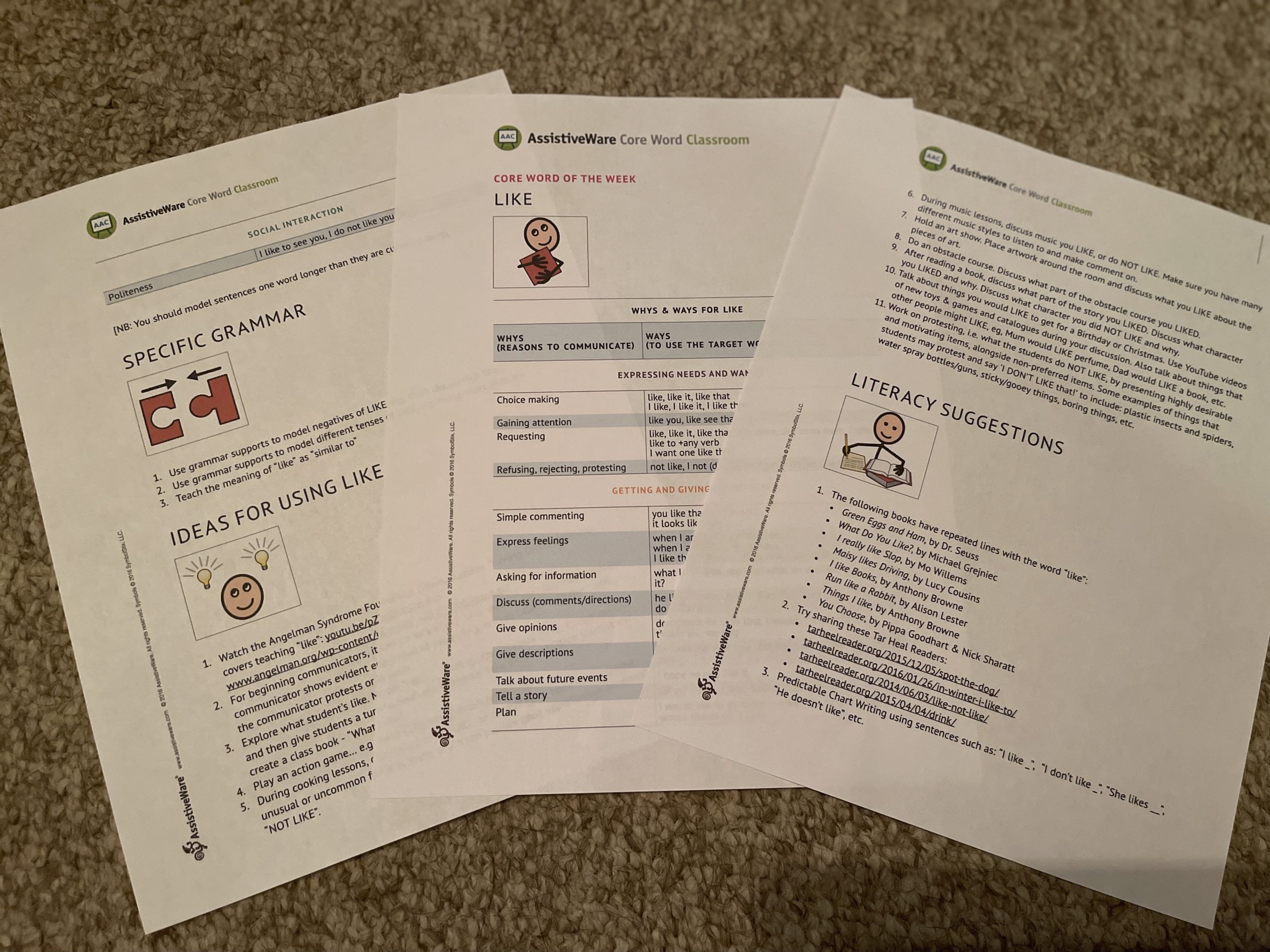
Other Core Vocabulary posts from The Autism Helper Team!
Focusing on one core word a week while continuing to model the use of all language modalities may seem like a daunting task. We are all here to help! It is important to use spoken language with visual supports. We want to remember to be predictable. consistent, engaging, and purposeful!

- Embedding Social Skills Into Every Lesson - November 24, 2025
- Top 10 Must-Do Tasks from a Self-Contained Elementary Teacher - September 22, 2025
- Setting Up the Classroom Environment for Independent Learners - August 20, 2025