

Raise your hand if you have ever been part of a group where it was a complete hot mess. Someone did all the work, someone else did nothing, it alternated from having too many cooks in the kitchen to zero leadership. It was not working. And it was probably frustrating and not fun. Group work is hard. It’s hard for adults. I know you are all thinking about someone on your team who neeeeever has his or her IEPs done on time and it’s annoying. They are part of the group. Pull your weight, dang it. So if group work is hard for us – it’s definitely hard for our kids. One of the best things I ever taught my students was how to be “in charge.” I ended up using this concept more than I ever thought I would and it was beyond helpful in so many situations.
By having a student be “in charge” you are basically giving them permission to be you. And guess what? They likely already know how. You’ve been modeling this every day since they entered your class. So start with situations that are very familiar for your student – something they so you do every day. Have them be in charge of morning meeting or story time. It’s hilarious watching kids mimic our mannerisms and even sayings. I quickly realized when I started this how often I said “guys” and “that’s awesome” when my mini-me’s said those both a million times. I’ve found kids love getting the chance to be the head honcho. They get to demonstrate important life skills like delegating, being a leader, and recognizing others.
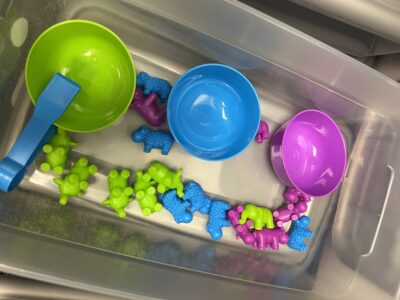
Once students get familiar with the idea of being in charge and also not being in charge (it’s a whole separate skill to learn to listen to your peers and wait your turn), add this in to other parts of your day. I had a group of students play a game every day for independent recreation time. It was a great use of their time (independent work doesn’t have to be all task box) because they got to practice a lot of great social skills. The reason it worked so well is one student was in charge each day. This helped avoid any power clashes and back and forth arguments. One person was in charge, everyone moved on. This was one of the most successful parts of my day for the entire year. I loved watching a group of kids play a game with no adult help – completely on their own!


Adding visuals, text, and rules can be particularly helpful with complex social skills like being part of a group. Remember – this is something adults struggle with on a daily basis. So make sure you are providing the structure that your kids need. List out exactly what the students should do. Review the rules on a regular basis. Refer back to them when someone is making a mistake.
I mentioned that I putting someone “in charge” became extremely helpful and common in my class. As special education teachers, we are constantly pulled. If there is a bathroom emergency, behavior incident, or surprise visit from administrators – we are suddenly needed. When you teach your students how to be “in charge” – your group doesn’t have to pause just because you leave. When you get pulled, put another student in charge. Even if the student is just in charge of watching other kids do puzzles, you will likely have more structure and less problems when someone is the boss.
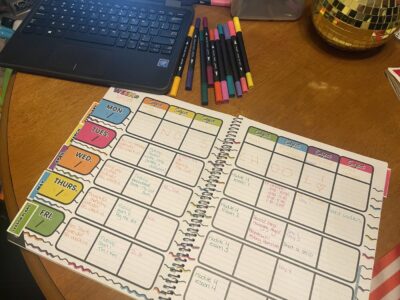
For unexpected schedule changes or times when I had to leave, my students got comfortable following a new schedule on the board and having someone in charge of each station or activity. This was immensely helpful when I had a students with significant behavior challenges and I was constantly run over to help. My other students knew how to pick up where I left off. This helped maintain safety and kept the work flow going!


Latest posts by Sasha Long, M.A., BCBA (see all)
- Planning for the Fall: Part 4 and 5 – Visually Structured Tasks and Routines - January 30, 2026
- Using TAH Curriculum for Homeschooling from a Homeschooling Parent - September 10, 2022
- Using The Autism Helper Curriculum for Homeschool - August 8, 2022

2 Responses
Could you share the group work rules? It’s perfect!
You can download it from this post: https://theautismhelper.com/group-work-rules-free-download/. Enjoy 🙂