
As you all know, working on social skills with our students is so important. Another resource I like to use when creating social skill lessons is the book “Have you Filled a Bucket Today?” A Guide to Daily Happiness for Kids by Carol McCloud. I often use this book when I go into classrooms and try to collaborate with teachers or other clinicians to provide whole classroom or larger group instruction. I often have 2-3 sessions/lessons based on this book. It again gives some common language for all the adults to use in the classroom. If you do the lesson towards the beginning of the year, you can continue to use the language “bucket filling” and “bucket dipping” all year long. It helps our students understand that their words and action impact others.
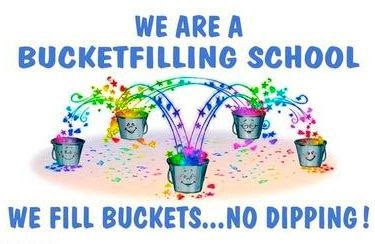

I have talked about this book before and I know many of you may already use this book with your students but I’ll share a little about it for those of you who are less familiar. The concept of this book talks about how everyone carries around an invisible bucket and we can fill each other’s buckets by doing or saying kind things to others. When I read the book with students, I bring in a real bucket to show my students.

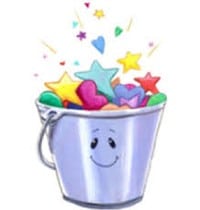
Next, I talk about what invisible means and demonstrate the difference between real and invisible. I hold up my real bucket for the students and then I have another teacher/clinician pretend to hold up a bucket so the students understand what invisible means and how they can’t see the imaginary bucket from the other teacher.
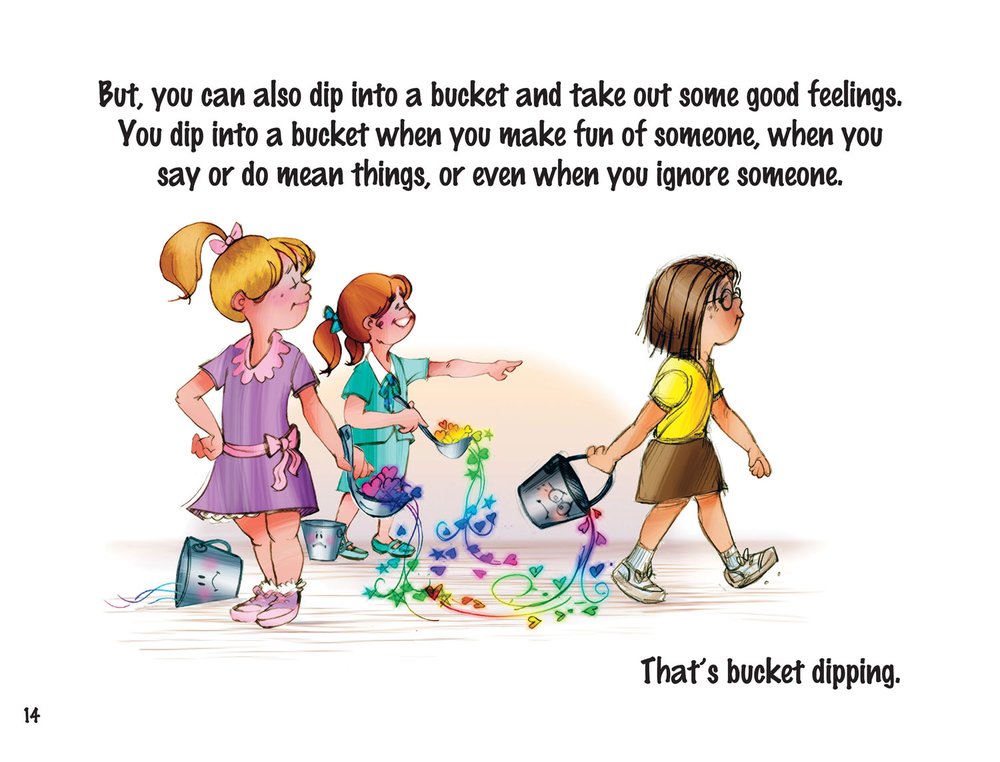
While reading the book, the students learn ways to fill another person’s bucket. I then have the students help me think of additional ways we can fill a person’s bucket and how it makes another person feel. Sometimes we make a list on the board or a large piece of paper which we can later hang in the classroom. We practice making happy faces for those bucket filling actions. Then we talk about “bucket dipping” and what behaviors cause us to dip into someone’s bucket and make them sad. Our friends do not like it when we dip into their bucket and it makes that person not have good thoughts about us. When talking about “bucket dipping”, I try to relate behaviors or problems which may be occurring in the classroom or are related to the age group of students I’m teaching.
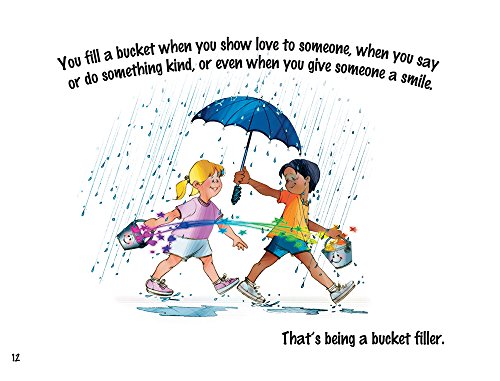
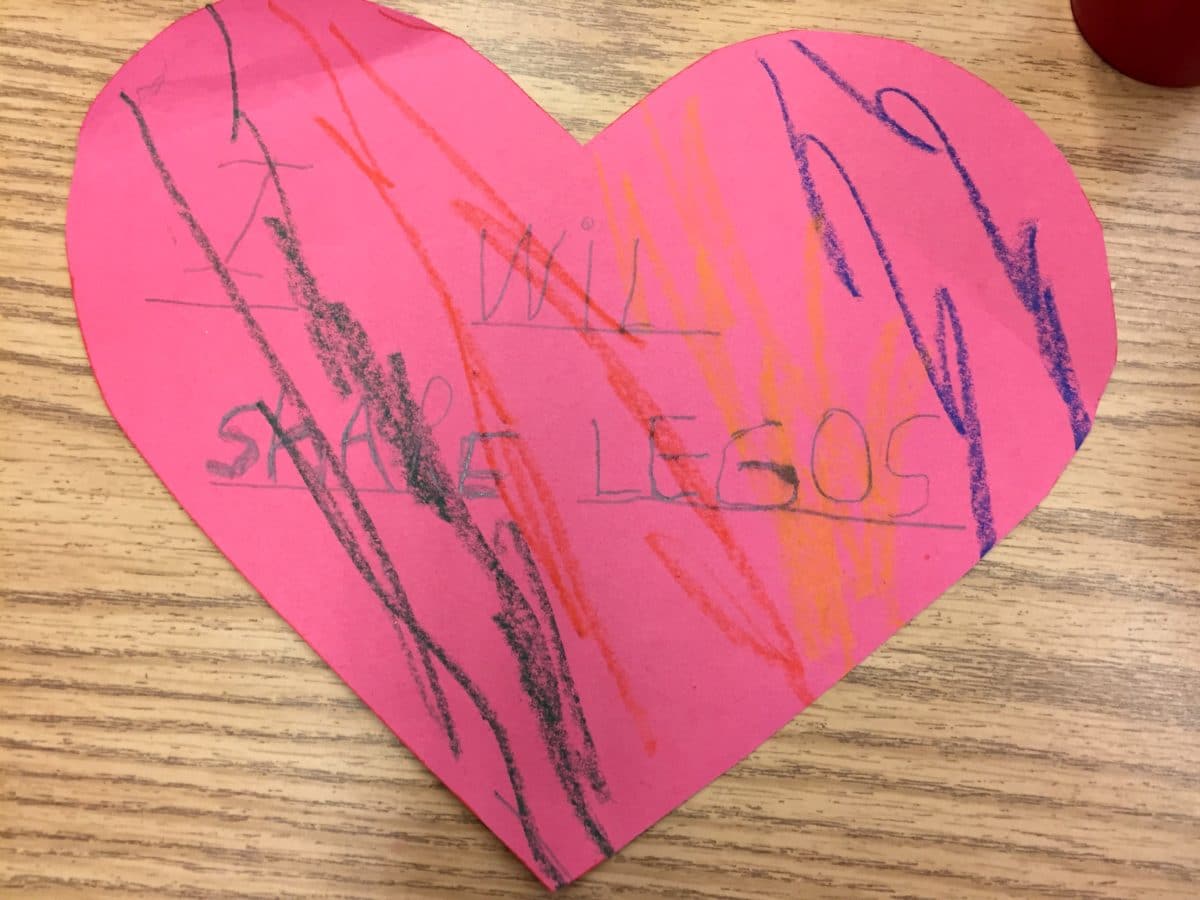
Here are some examples of follow-up activities I have done with this book. I passed out foam hearts and had the students each get a chance to say one way to fill someone’s bucket. My students came up with some great ideas such as “sharing toys”, “smiling at a friend”, “cleaning up toys”, “giving a high five” “saying hi to a friend”, or “letting a classmate play with you at recess”. I tried to help my students think of different ideas which are things they do every day at school. Then they can see the bucket fill up as they drop in the hearts.

Another activity is have your students cut out large hearts or you can have them already cut out depending on your students’ age. Have the students either write or draw a picture demonstrating how they can fill someone’s bucket. You can make a list of bucket filling ideas or use the ones you made while reading the book to help your students figure out what to write/draw on their own hearts. Then you can hang the hearts in the classroom or on a class bulletin board. Some of my teachers can be really creative when displaying their students’ work.


You can also read the book “Bucket Filling from A to Z: The Key to Being Happy” by Carol McCloud and Caryn Butzke. This is great because it goes through the alphabet and has something kind for each letter of the alphabet.

I then made copies of “My Very Own Bucket Filling from A to Z Coloring Book”. Each student in the class colored one of the pictures. The students took turns sharing their picture with the class while their classmates practiced being “good listeners”. We talk about how being a good listener is filling the presenter’s bucket. We practiced using our “whole body” listening skills so each student got a turn to share. It’s super cute to bind the book together so the students can add the book to the class library.


I have seen some really cute activities paired with this book and think it is such a great concept to work on with our students. Here are some of the books based on this topic.


Latest posts by Sarah Allen, MA CCC-SLP (see all)
- Vehicle Themed File Folder Activities - May 18, 2021
- Counting and Sorting Vehicle Fun - May 4, 2021
- What Color is the Vehicle? Adapted Book and Free Vehicle Themed Bingo Games - April 20, 2021
One Response
How can I order book?