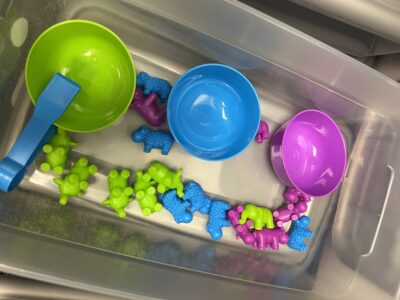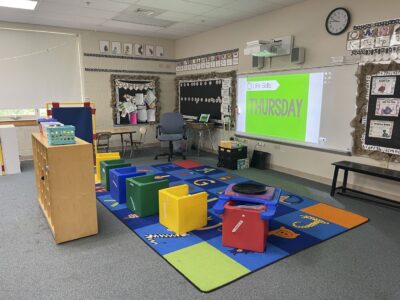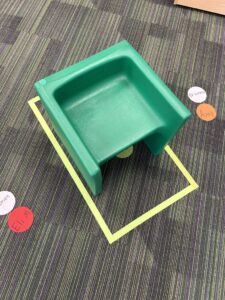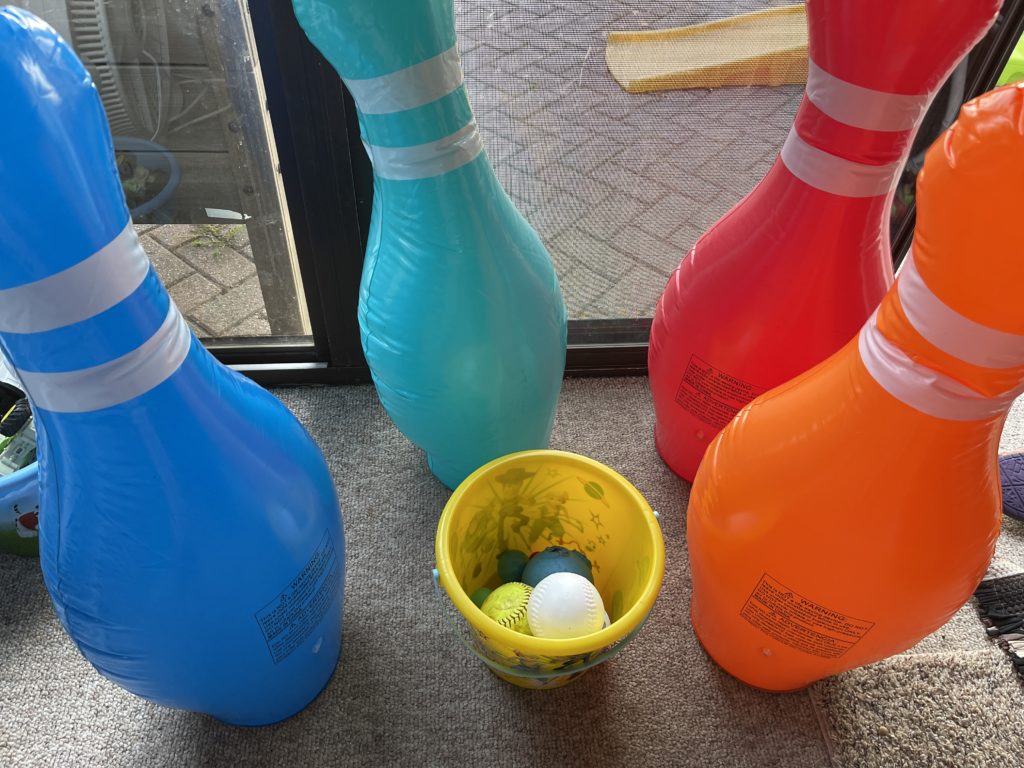
In all of my years of teaching, recess has never been my all time favorite time of the day. I love the time for our learners to get outside, enjoy nature, let out energy, play with peers, and have fun, however, I have experienced a lot of frustrations and tears due to the unstructured time. Some of our learners do not have leisure skills mastered yet, and the down time is when we see an increase in maladaptive behaviors. I have talked about structured play times and how to implement them in the classroom, and as teachers, we plan lessons for every minute of our day. There are opportunities for learning from the minute our learners come into the building until the minute their bus drives away. In this post, I will share some recess and gross motor time ideas that help keep our day functional and full of learning.


Team Games
The skill of working as a team member is hard work. Being on a team helps teach communication, listening, speaking, and social skills. Being a part of a team and learning to work with others during games and play time, is a fun way to incorporate hard skills. Working on a team improves self confidence and encourages our learners to participate in the future. Continuing to include our learners as part of collaborative teams will allow opportunities to be productive and learn as a group.
Some examples we play even at the early childhood level are:
- Football
- Baseball
- Soccer
- Volleyball
- Kickball
Social Games
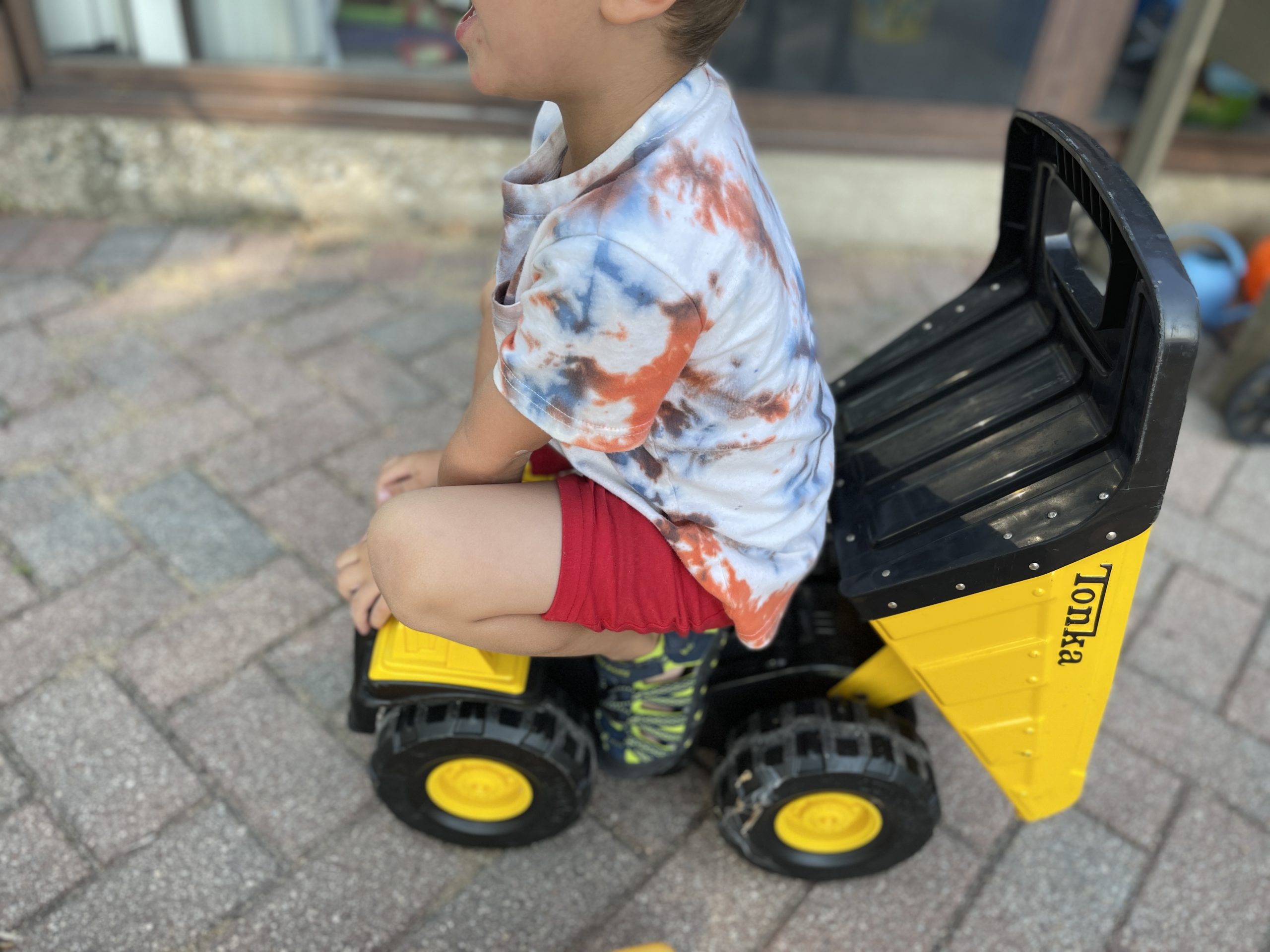
I love teaching social games at the early childhood level. At this age especially, it is age appropriate to teach these games and skills for when they are invited to a birthday party, attend family parties, play at recess, or even go out and play in the community. Social games can be a great way to tech social/emotional learning skills, teach how to be self-aware, develop positive relationships with adults and peers, manage emotions, resolve conflicts, and use self control.
Some of the games we play are:
- Parachute
- Freeze dance
- Connect 4
- Duck duck goose
- Tag
- Ring around the Rosie
- Follow the leader
- Red light, green light
- Obstacle courses
- Scavenger hunt
Leisure
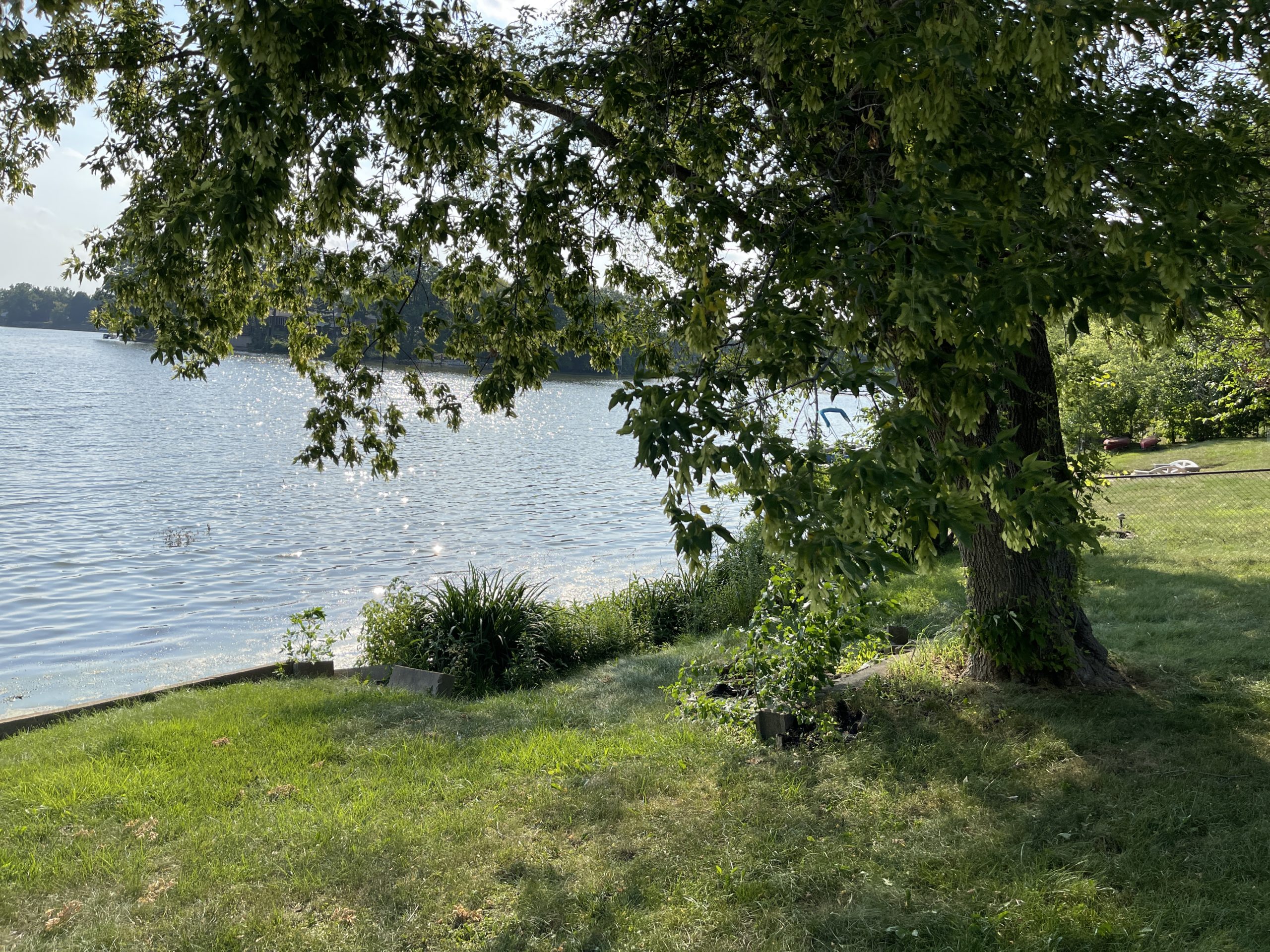
Leisure skills are important for all children. Leisure skills should be based around what your learners are showing interest in and then expanded upon those interests. This will help shape their interests and hobbies to serve in a relaxing and unwinding function. These may include coloring, listening to music, reading, watching a movie, or playing with toys. Talking with our learners’ family members will help get more of an idea on their hobbies, habits, and interests in the home and community. One great way that Sasha has taught us is to ask the families “what does ______ do right when they get home from school each day.”
Some leisure skills we work on are:
- Slide
- Swing
- Garden
- Going for a walk
- Bike
- Scooter
- Wagon rides
Exercise
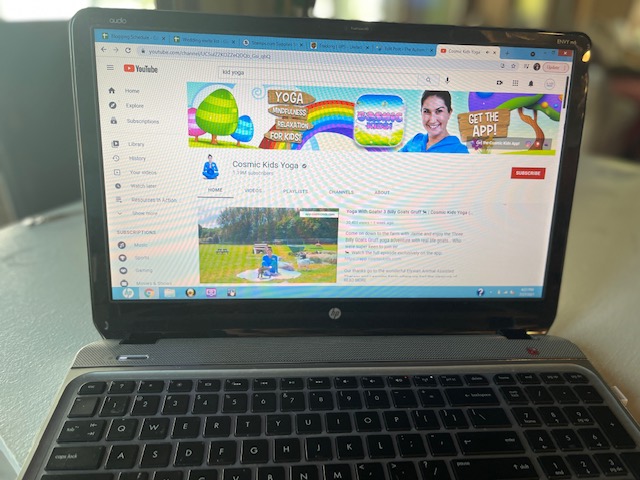
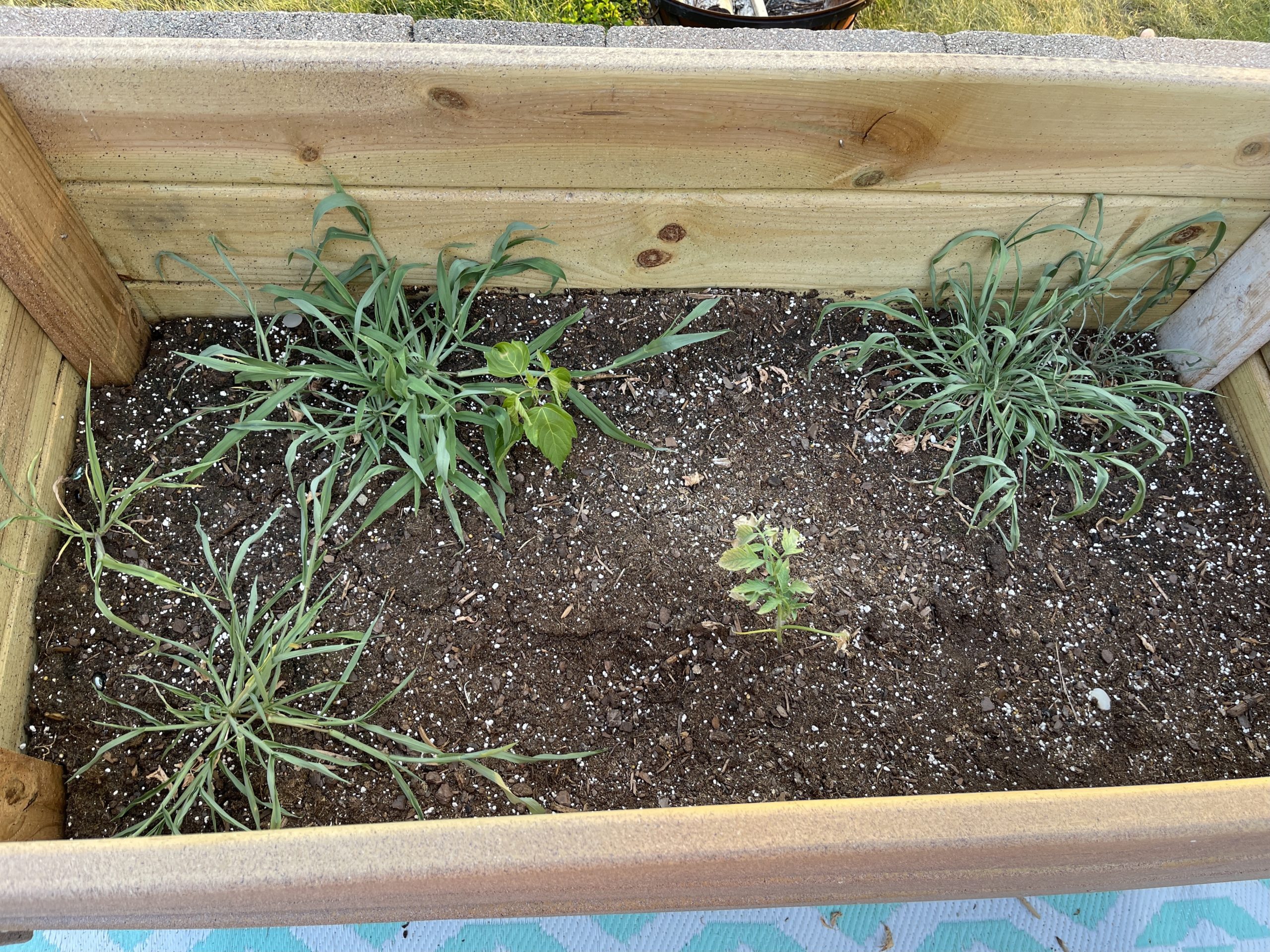
Exercise in our society is advertised all over. It is important to teach our learners about regular physical activity when looking at a health standpoint. We discuss the importance of getting up, getting our bodies moving, and getting some fresh air. Regular movement activities can help improve cardiovascular health, build strong bones and muscles and reduce the risks of some health conditions.
Some activities we do for exercise are:
- Dancing
- Yoga
- Jumping jacks
- Running
- Racing
- Rock wall
For some of my students, using a visual schedule helps prepare them for their day. They are able to see what is happening, where they are going, and visualize the expectations for the day. Using a task strip and choice board for recess time helps give an unpredictable time some structure. Having a schedule of ideas has helped me create a rotation and schedule for recess time in our classroom. Our classroom pacing guide helps organize our unit themes and the other academic focuses of our classroom, along with leisure skills to teach to make recess and gross motor successful for all learners. Having a rotation of activities helps eliminate boredom for our learners and the adults, and helps increase positive behaviors!

- Embedding Social Skills Into Every Lesson - November 24, 2025
- Top 10 Must-Do Tasks from a Self-Contained Elementary Teacher - September 22, 2025
- Setting Up the Classroom Environment for Independent Learners - August 20, 2025