

Practicing functional routines is an essential life skill. In doing so, our learners will work on becoming independent in the classroom, their homes, and their communities. Functional routines can be fun and motivating, even if they are challenging and stressful right now. Families don’t like to see their child down, mad, sad, or frustrated, and they often jump in to help right away. My team and I remind our learner’s families to give them a minute to do it on their own. The child may struggle, but there is so much to learn from that! The only way to truly know if a child is independent in any particular routine is to take data. We look at data to see if they are able to start a routine on their own. Are they able to follow a direction? Do they know what to do in each step of the routine? Do they struggle? How do they ask for help? Are they independent? Task analysis will help you answer all of these questions while taking data any given routine!

Types of Routines
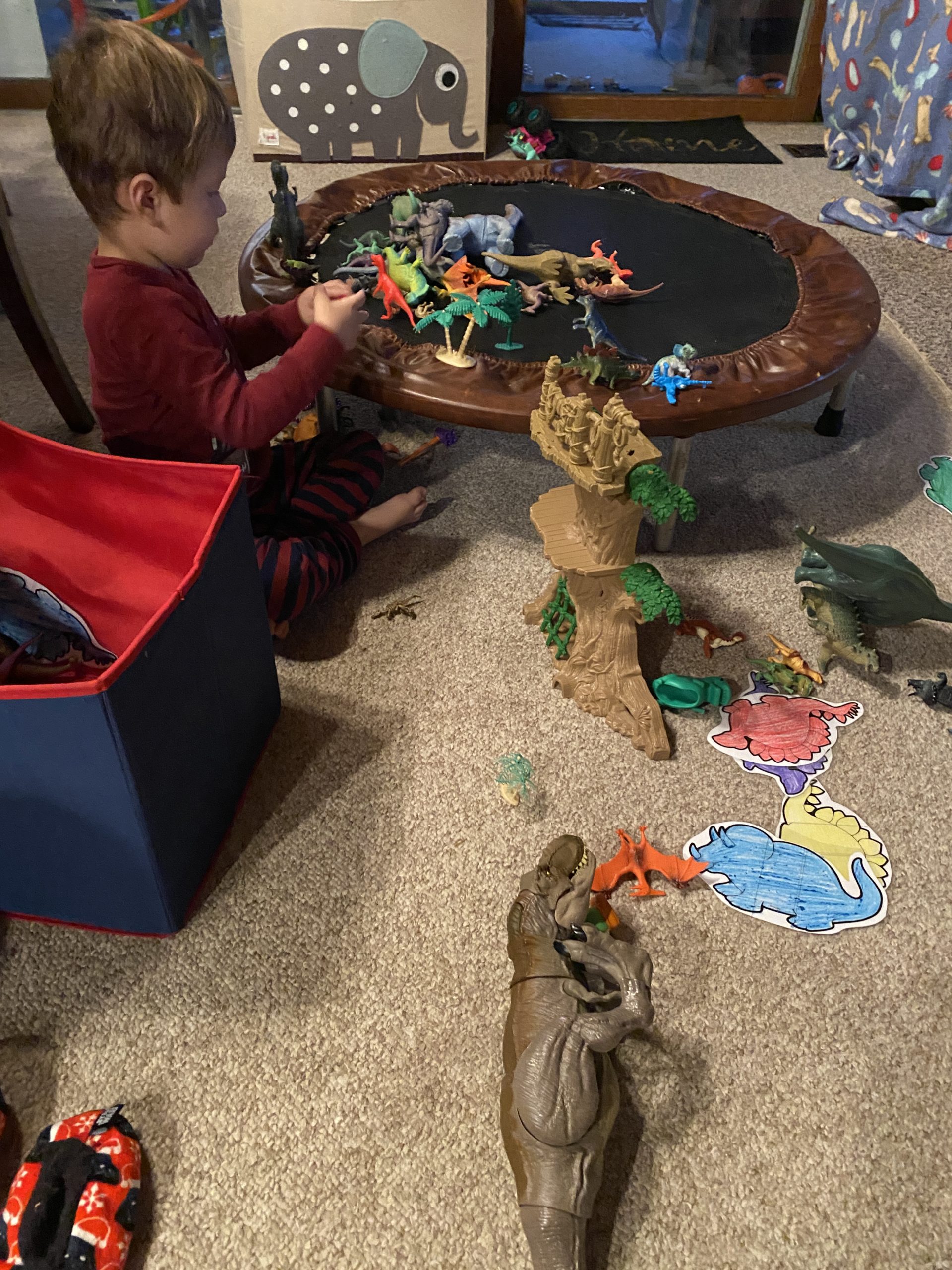
There are many routines throughout a child’s day, both at home and in the classroom. Some of our learners need to be taught each step of each routine before they become independent. I work with families and coach them to use checklists in the home. This way, we gather appropriate data on the routines that I may not always see (getting dressed, brushing teeth, eating breakfast, waiting for the bus, getting on the bus, getting home, etc.) Some of the routines that we practice and teach in the school setting are:
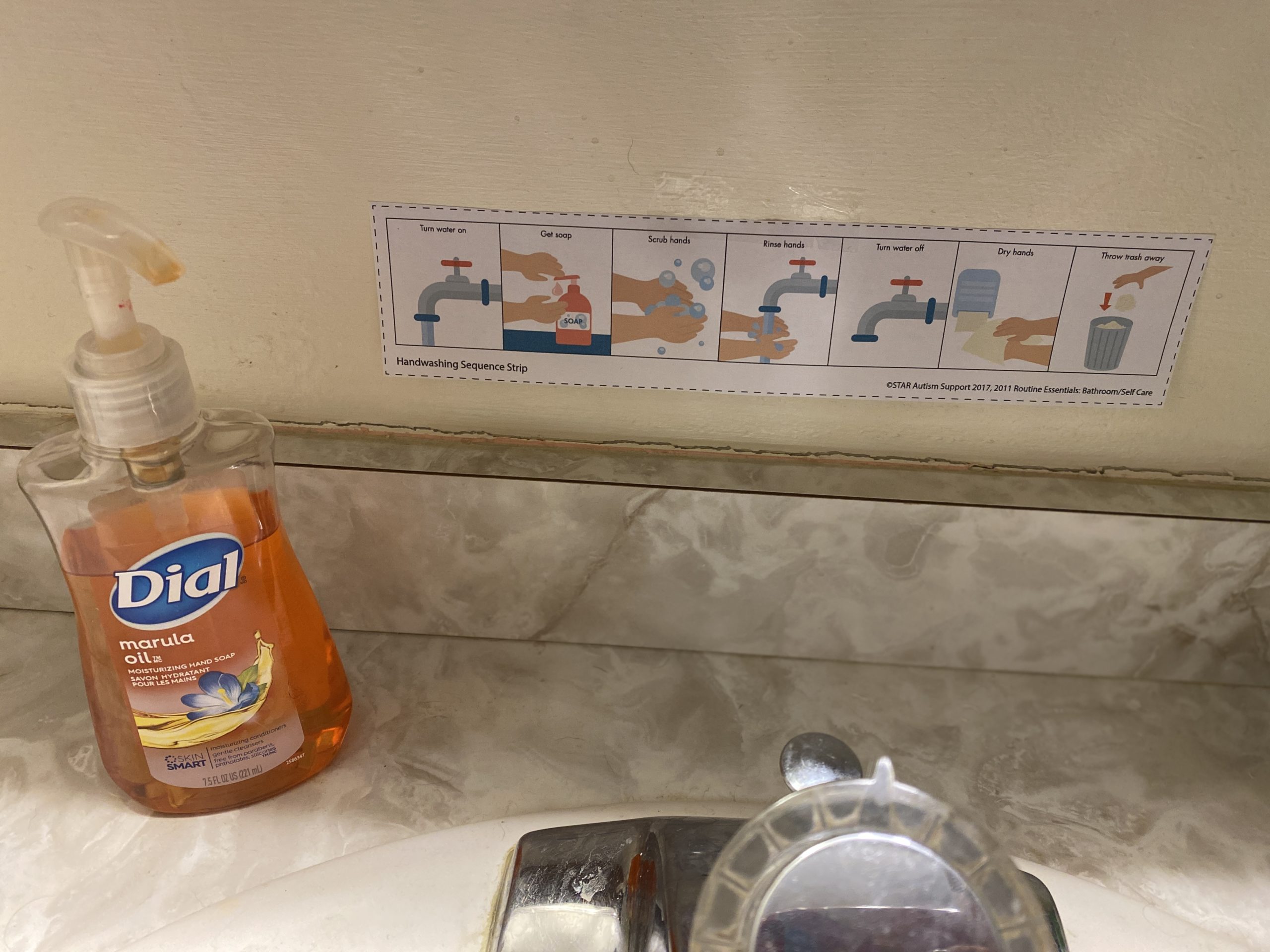
- Hand washing
- snack
- bathroom
- arrival
- departure
- transitions
- independent work
- riding the bus
I have also seen going to the movies, taking a train, going to a party, going to a grocery store, and crossing the street.


Tips to Practice
Most of our routines happen naturally during the day. This gives us the ability to work on the steps of each routine. If there is a routine that isn’t done consistently, or one we want to practice more, we are sure to fit it in when we can. Fitting in the practice of functional routines and teaching with fidelity helps create less down time, gives more opportunities for teachers to reinforce the desired behaviors, and minimizes prompt dependency. Our educational team teaches each learner the steps of each routine after taking baseline data. Using task analysis gives us the opportunity to see what skills are missing. Reviewing the data sheets and taking data each week allows us to give each learner time to practice and generalize. We can provide predictability and show our students what we want them TO DO in order to minimize negative behaviors.
Another opportunity to practice routines is in a large group setting. One way we do this is during our circle time by sorting, matching, and sequencing pictures of a routine (ex. making a sandwich), or by getting up and practicing it as a class in the school environment (ex.going for a walk). We can always increase access to general education peers and independence in the community by working on these routines in other classrooms, on field trips, outside on a sidewalk or playground, and around the community. We want our learners to be able to carry out these routines when we are no longer there next to them.


Where can I fit this in my schedule?
We have made functional routines and other life skills part of our curriculum. Just as other concepts and programs that our learners need to work on, routines and becoming independent is one we focus on. Our educational team focuses on pre-teaching these routines in the school setting. We start with Discrete Trial. The end goal is always for each learner to use these skills with their families in real-life situations. We use simulations, or play experiences in order to practice routines such as going to the grocery store, going to the movies, cooking dinner, helping with a baby sibling, attending a birthday party and participating in games, and many more! We set our environment up so that the learners are successful. Using visuals, task strips, choice options, choice sequences, first/then boards, and token boards; anything an individual learner may need.
Our district has done a wonderful job implementing our peer buddy system at the preschool level. Our classroom has times set up each week where students go into a general education classroom for parts of the day, if they’re ready. If going into a general education setting is over stimulating, increasing negative behaviors, or increasing anxiety, then that shows us the learner is not ready yet. In this case, we have two to three peer buddies from the general education classroom come into our room. They join our rotations and work with assigned students to work on peer mediated instruction. We are also able to record routines with the peer buddies and use them as video models with our learners. Using evidence based practices to teach these functional routines ensures that we are pre-teaching, teaching, practicing, and generalizing with fidelity:
- Discrete trial training
- Applied Behavior Analysis
- Functional Behavioral Assessments
- Behavioral Intervention Plans
- Pivotal Response Training
- Task analysis
- Reinforcement
- Visuals
- Schedules
- Augmentative communication
Have fun with teaching routines and be creative!

- Embedding Social Skills Into Every Lesson - November 24, 2025
- Top 10 Must-Do Tasks from a Self-Contained Elementary Teacher - September 22, 2025
- Setting Up the Classroom Environment for Independent Learners - August 20, 2025
5 Responses
This is so helpful!! I am going to share it with my team/staff! Thank you!!
Hi Patricia, Happy to hear it’s helpful! Thanks for reading 🙂
Hi love all the task based activities and enjoy the structure of your classroom.
Hi Sumi, so great to hear! Thanks for reading 🙂
Thank you for reading! Happy to help!