Over the past year, I have been trying to expand my practice of teaching social-emotional skills. In the past, teaching these skills was a challenge for me, but teaching from home in a pandemic made me realize the immediate need to teach concepts and skills around coping and mindfulness. I also noticed that I had students who would get down on themselves if they got an answer wrong or were redirected. I realized that we spend a lot of time as educators teaching students how to treat each other, but it is also important to teach them how to treat themselves. Here is how I am currently incorporating self-compassion as part of my instruction…
1. Practice Self-Compassion
Cultivating your own self-compassion practice is essential if you plan on teaching students about it and this is something I continue to work on daily! I started doing The Miracle Morning during the pandemic and it has made a difference how I teach students about social emotional skills. Part of The Miracle Morning is reading, so I listen to books on Audible as I get ready in the morning. In doing The Miracle Morning, I discovered many books about self-compassion, including Good Morning, I Love You By Dr. Shauna Shapiro and Radical Compassion by Tara Branch. While the concepts and exercises presented in these books are geared for adults, I can explain it to students in terms they understand. I realize that sometimes too much language can overwhelm and confuse students with low-incidence disabilities, but making it simple and repetitive can help students to gain understanding of the practice of self-compassion.

2. Circles Curriculum
The Circles curriculum is a program that teaches students appropriate ways to interact with different people, based on their relationship with that person. Circles also teaches about social boundaries in relationships and specific social skills, in a format that is easy for students to understand. Each “circle” serves as a category for the different people in students’ lives and offers a guide of how people in a particular circle interact with each other through the themes of touch, talk and trust. The program also includes videos and visuals to accompany lessons.

The slides from my slide deck based on the curriculum. I adapted the affirmations from the curriculum and came up with different activities to illustrate self-care in order to build self-esteem, self-reliance and self-compassion.


3. Videos & Visuals
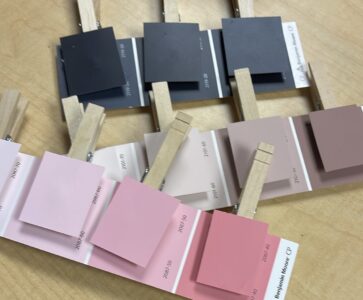
While the Circles Curriculum includes videos, they come on DVDs and they require an external hard drive. I found a great, more updated video called Learning Our Six Circles, that is a great resource and overview of all the circles. It is geared more for older students, but it can be a great to help with the wording when teaching younger children. I also like the Be Kind to Yourself on Go Noodle. For a visual, I created a Jamboard for each student with the circles in order for students to have a visual of who is in certain circles.

4. Yoga & Coping Strategies
In previous posts, I have mentioned that I have a yoga sequence as part of our classroom’s morning meeting. This quarter, our sequence is called “Engaging My Compassion” and has been a great way to incorporate teaching students about self-compassion each day. We read Bucket Filling from A to Z each week and I emphasize that while it is important to be kind to others, we also need to be kind to ourselves. I especially like the “Kind Words” Mini-Meditation in the beginning of this sequence. You can find this and other sequences in the Yoga & Mindfulness Practices for Children card deck.


We use coping strategies in the classroom to help students regulate their emotions as part of the “Zones of Regulation” framework. I have included a copy of the Zones and our coping strategies on a slide deck in our Google Classroom. I’ve been mentioning self-compassion in terms of the Zones in order to teach students to be gentle with themselves and their emotions. I also reassure them that it is okay if they have to use a coping strategy and that using them is another way to show ourselves kindness.

5. Sharing
Sharing in the remote setting has really helped my students expand their verbal skills. Having students share about feelings, accomplishments and what they have learned is helpful in developing self-compassion. When students share what they have done during small groups, it gives me the opportunity to highlight what they have been learning and reassure students that they are making progress when learning feels difficult. In the “Purple Private Circle” lesson, I had students share about what makes them feel important or special. I plan on teaching the lesson again and have them share about hobbies or what they do to take care of themselves. This lesson is a good jumping off-point for continuing life skills instruction and covering content such as healthy eating and hygiene. This is another area that can be repeated, especially if you are using the Circles visual with the colors and the different pictures of people placed in the appropriate areas.

I hope this post gave you some inspiration and ideas of ways to incorporate teaching self-compassion and other social-emotional skills in your classroom. Stay safe, healthy and warm!

- Focus on Five: Sub Plans - January 10, 2023
- Focus on Five: Setting Up Daily Leveled Curriculum - November 22, 2022
- Focus on Five: Classroom Tour - November 8, 2022