

When we teach art to students in a low-incidence population, we are used to using visuals, modeling and gestures in order to help students understand directions and concepts. I currently have students who are blind in my classroom and I learned very quickly that teaching this population of students art can be a challenge because both art and accommodations in my classroom are highly visual. I am still figuring out ways to make art accessible and enjoyable to my students with visual impairments because art is a very different experience for students with low vision or no vision (as seen in this video). Here are five things I keep in mind when teaching art to my students who are blind…
1. Use Verbal & Physical Prompts
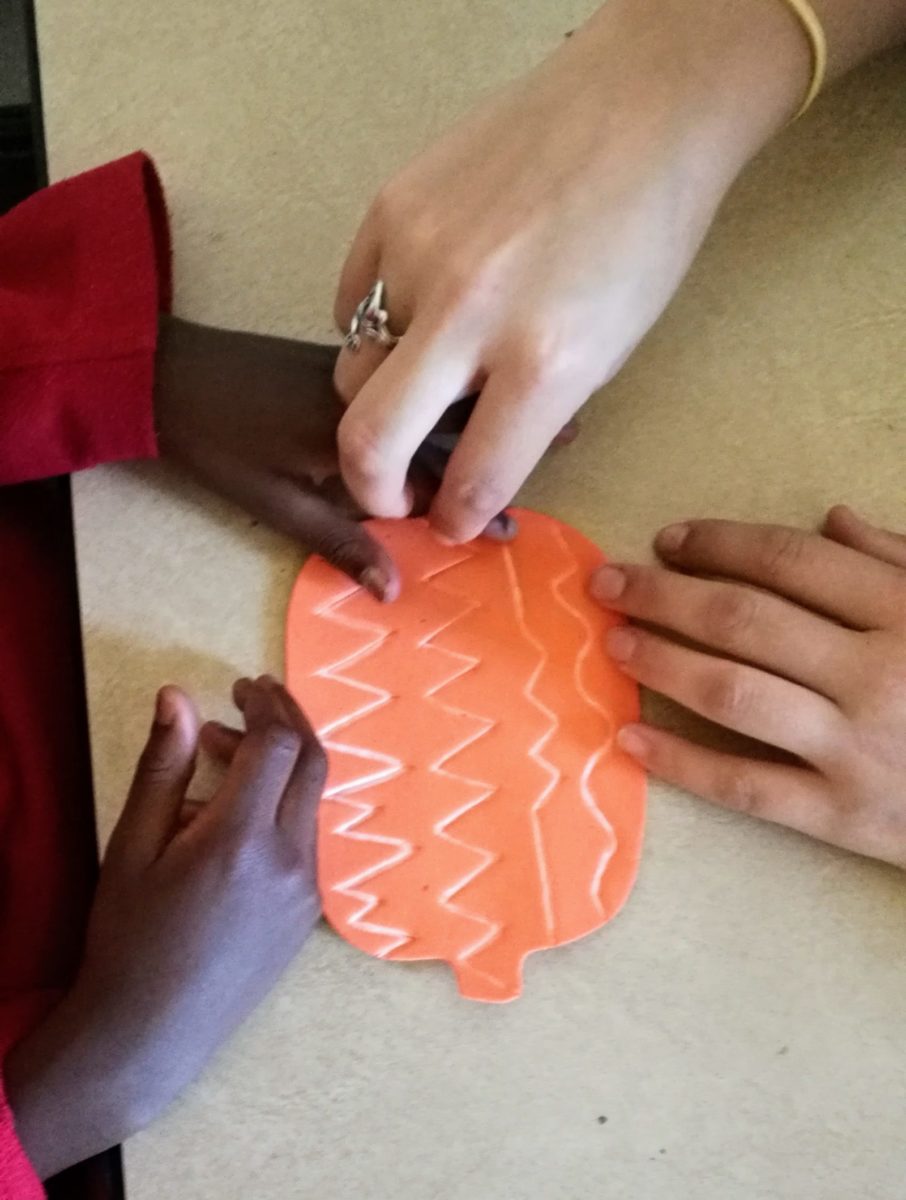
While we are used to using visual and gestural prompts with most of our students, it is essential that we use verbal and either partial or full physical prompts with students who are blind or have a visual impairment. While students who are blind require more verbal prompts than other students, it is important to take into consideration their other disabilities. For example, I have a student who is blind and has autism, so I focus on giving him the “just right” amount of verbal prompts. While he requires verbal prompting, I still am very aware not to give him too many verbal prompts in order not to overwhelm the student. Physical prompting is also key because we are unable to visually model what students are expected to do, so we need to physically prompt them so they are able to feel how to complete the skill.
2. Use Tactile Materials
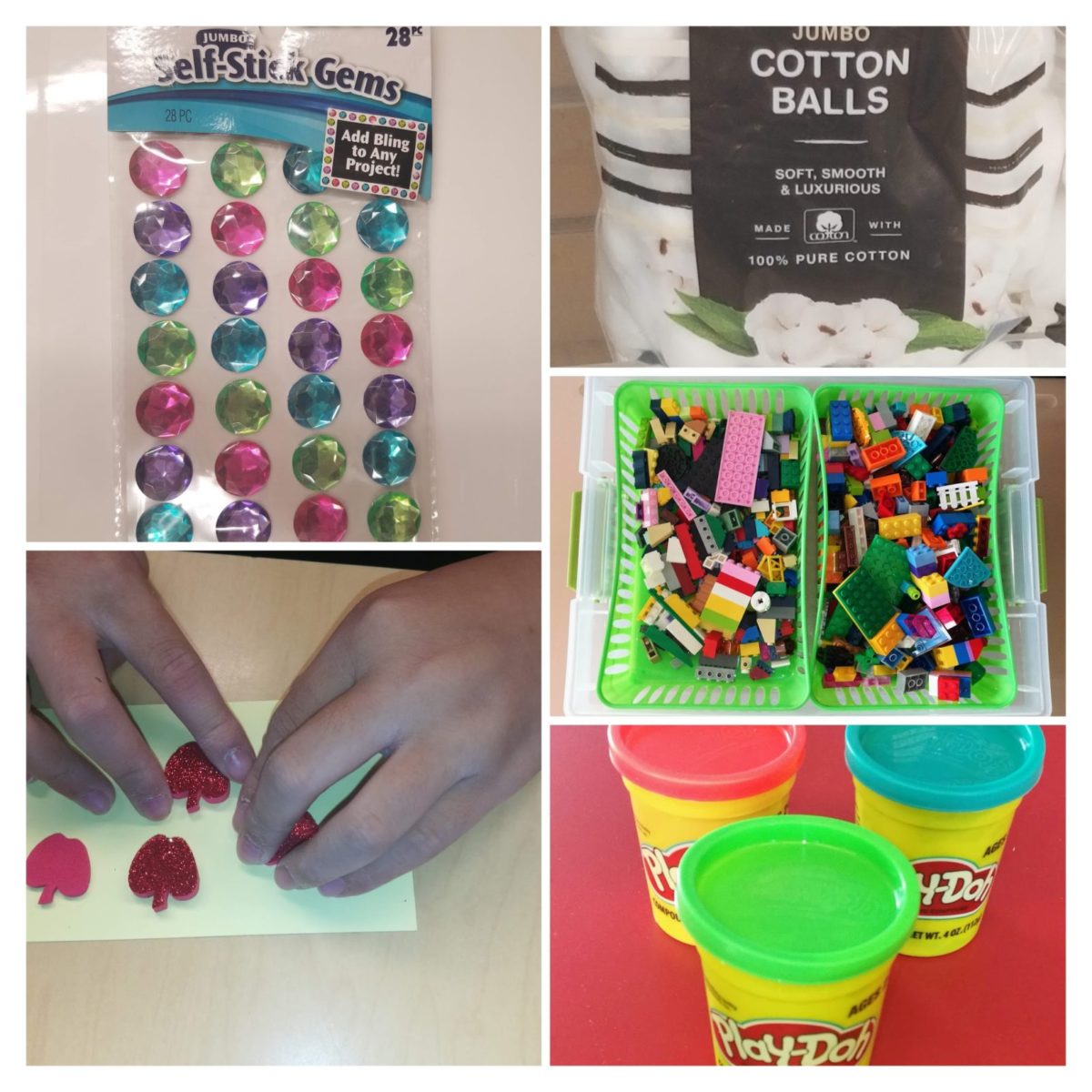
Having a variety of tactile materials in the classroom is helpful for students with visual impairments and makes are more enjoyable. I have used foam, foam stickers, Play-Doh, Legos, cotton balls and more. Students can also participate in art by stringing beads and practice beginning sewing skills using a lacing card. Even the materials that the rest of class uses such as pencil, paper, crayons, paint and paint brushes can be a rich learning activity. Students with visual impairments can and should learn to label common art supplies by touch and be able to utilize them. Just because a student may not be able to see their art, doesn’t mean they can’t enjoy the process of using paint and making brushstrokes on paper.
3. Adapt Art Projects
There are a plethora of ways to adapt art projects for a low vision or blind student in your classroom. Varying the materials that the student uses is one way to make art more accessible like the the first video link in this post. You can have students with visual impairments create a three-dimensional interpretation of a two-dimensional art project your sighted students are doing. Using materials such as Wiki-Stix, scented crayons or makers or stencils can help students to orient themselves to their project. The Tactile Art Program through the American Action Fund for Blind Children and Adults has great suggestions on what type of materials to use in order to adapt art for students who are visually impaired. There is also a video on this site that tells what is included in the art kit, which is unfortunately no longer available, but it gives you ideas on what materials you can get.

4. Rethink Teaching Art
Sometimes students who are blind have difficult with completing art projects because of they still may be displaying tactile defensiveness or are still learning all the spatial concepts in order to be able to complete an art project. One resource I came across about Tactual Art from the Texas School for the Blind and Visually Impaired offered another perspective. Since art is highly visual, students who are blind only experience art through actually using their senses of touch and hearing. While like many teachers, I find myself fixated on the final product, there are so many other concepts that can be taught through art to students with visual impairments. Students are able to experience shapes, textures and manipulating materials. One art experience from this site I plan on using with one of my students is called “Stuff-n-stuff” and it’s a way of allowing the student to manipulate, experience a variety of materials such as foil, magazines and paper towels. This is also a great way for students who are blind to learn what different materials are and build a tactile vocabulary.

5. Use Your Resources
Don’t be afraid to use additional resources to help when adapting or creating art projects for your students who are blind or with visual impairments. One of the best resources I have is our school’s vision teacher, who not only has ideas for art activities, but also has a variety of tactile materials. If your school does not have a vision teacher, ask your student’s vision itinerant during your consultation time. Another resource could be your school’s art teacher. Your art teacher may have previous experience working with students who are blind or with visual impairments. They also have been working with your students during the school year and could have insight on successful adaptations or projects for your students with low vision or no vision.
I have sprinkled some resources throughout this post, but here are a few additional online resources below that I hope you find useful.
- Sensory Tactile Art is Positive for Kids includes a short list of tactile art activities, which is great for some quick inspiration.
- Lego Blind Art Project is a video that shows students who are visually impaired creating a Lego sculpture based off of a painting that is verbally described to them.
- WonderBaby.Org has some great ideas for specific tactile art projects for younger students.
- Art Adaptations for Students with Visual Impairments offers more specific art adaptations for students who are low-vision or blind.
I hope this gives you ideas for doing art with students who are blind or have visual impairments. Check out my previous post on ways to adapt your classroom to help your students with visual impairments. If you have any ideas or resources that have been helpful or successful for you classroom, feel free to share them below!

- Focus on Five: Sub Plans - January 10, 2023
- Focus on Five: Setting Up Daily Leveled Curriculum - November 22, 2022
- Focus on Five: Classroom Tour - November 8, 2022


One Response
Great article!!! Thanks for these awesome ideas!!! I do work with these kiddos and have struggled sometimes.
Thank you!!!