Small group instruction is essential to our students with diverse learning needs, especially when teaching a fundamental academic and life skill such as reading. It is important to group students in a way that is beneficial to each group member, use a consistent structure and utilize research-based strategies to teach fluency and comprehension. Here are five things I do when I teach reading in small groups…

1. Plan
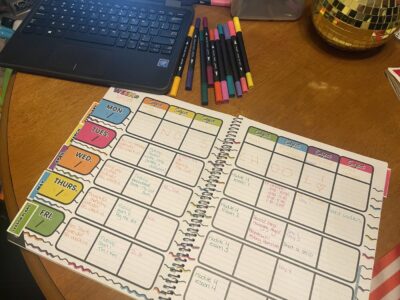
As teachers, we know that planning is a must. Here is how I planned my reading small groups:
- Grouping Students- There are many factors to consider when grouping students. I go by students’ Fountas and Pinnell reading levels and reading goals.
- Timing-Our reading block is just over an hour. I see 3 groups of students for 15 minutes each and at the end of our reading session, there is another 15 minute independent work/choice time so I can pull students one-on-one for assessments or reteaching.
- Presentation-During remote learning, most teachers created slide decks to provide visuals and interactive lessons and activities for students. I know for myself as a teacher, it is helpful to have lessons on slides because it keeps me organized. I have a slide deck for each group and I present it in the front of the classroom. Students bring their chairs to the front when it is their turn for small group instruction.
- Curriculum/Resources- I use a variety of curriculum, materials and strategies. The anchor of our small reading groups are the stories on RAZ-Plus. I also use some Orton-Gillingham strategies and materials. In addition, I use The Autism Helper’s Ultimate Guided Reading Resource for Special Education for reading skills and comprehension. We usually focus on one leveled reader from RAZ-Plus and switch books the following week.


2. Warm-Up
The Warm-Up for all of my groups is reviewing letter sounds using the Orton-Gillingham method. Institute for Multi-Sensory Education has free slide deck templates to edit for letter sounds and decoding. Depending on the students’ levels within the group, I adjust the letter sounds based on what that group needs and include blends, digraphs, vowel pairs and more. Each group has a similar warm-up, but my emerging readers also have Jolly Phonics songs (found on YouTube) as part of their warm-up.


3. HFW Words & Story Words
The high-frequency words (HFW) and story words (vocabulary) are listed on RAZ-Kids on the same page for the story. I include the high-frequency words in the slide deck (putting one on each slide) and I use the Orton-Gillingham method of saying the word aloud and cross-body arm tapping to spell each word. We go over the words each day. After we go over the high-frequency words, I teach students the vocabulary words using pictures. The first day, I will give the definition of each word, using categories, features and functions to describe what the word means. As the week goes on, I will invite students to explain what the word means. After going over the same words each day, they do a great job giving the definitions.


4. Fluency
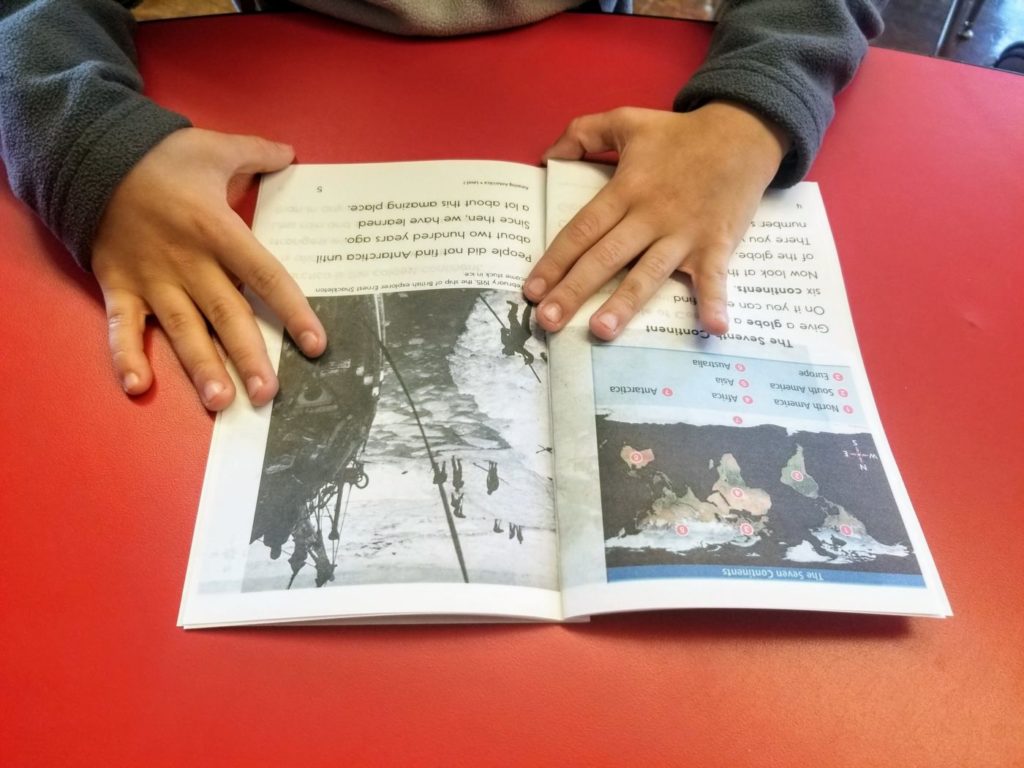
After the warm-up and words, I introduce the story for the week. I have the book projected on the big screen and demonstrate pointing to and reading each word, as well as reading with expression. If there is time on the first day, I will also have students take turns reading pages that are projected on the big screen. If students are still needing help with words, I will read phrases and have students repeat while pointing to the words. The next day, I will have the printed books for students and also again, demonstrate reading with fluency and expression. Depending on students’ needs, I may have students take turns reading the whole text (if the story is shorter) or take turns reading pages. I will also have them practice with each other so I can listen to another student in the group read one-on-one with me.


5. Comprehension
When teaching comprehension, I use a variety of strategies with my students. After we have focused on fluency and done multiple readings of the story, I will start to ask basic questions as we are reading the text. This is an informal assessment to see what my students are understanding. Many students with comprehension goals have a weekly assessment and I utilize the multiple-choice comprehension assessment on RAZ-Plus. I will either print the assessment or assign the assignment through RAZ-Kids, depending on students’ levels, needs and learning styles. I also utilize the Ultimate Guided Reading Resource for Special Education to complete comprehension activities before the assessment such as using graphic organizers to demonstrate understanding of concepts like sequencing or main idea and details. The graphic organizers are great because I can use the same one for multiple stories and students have a consistent way of organizing comprehension concepts, even when the stories or texts that we read change.


I hope this post gave you some new ideas for reading small groups. For more on reading small groups check out Guided Reading Groups in a Special Ed Classroom. Stay healthy and safe!

- Focus on Five: Sub Plans - January 10, 2023
- Focus on Five: Setting Up Daily Leveled Curriculum - November 22, 2022
- Focus on Five: Classroom Tour - November 8, 2022